
Blog Post
Winter Landscape Cleanup Guide for Whatcom County Homeowners
December 8, 2025
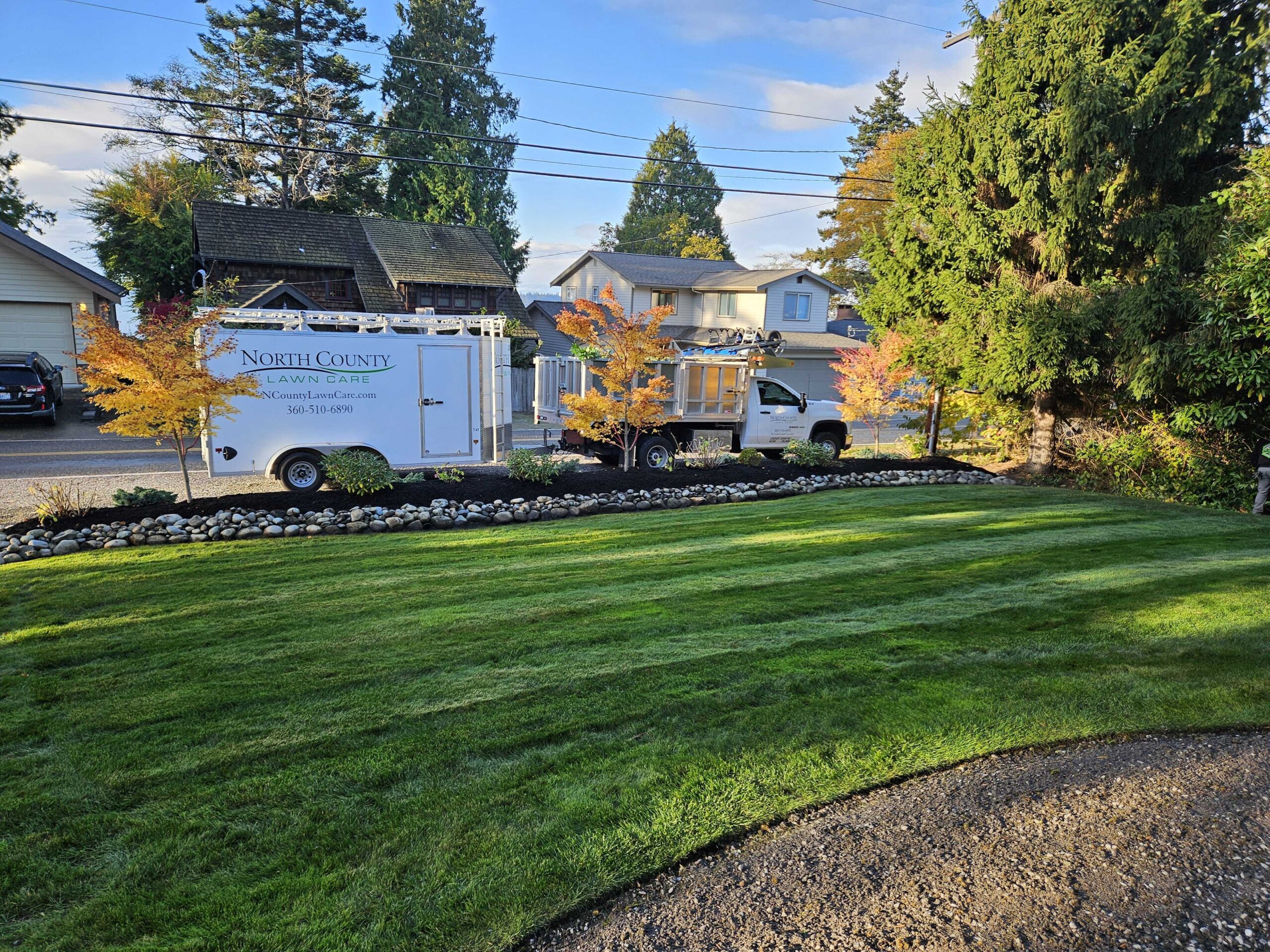
A Season of Care: Why Winter Cleanup Matters
When the temperatures drop and the rain returns, it’s tempting to think your landscape goes dormant until spring. In reality, winter is still an important season for landscape care. The work you do, or don’t do, during these months determines how your yard looks and performs in the coming year.
A thorough winter cleanup protects your investment in your home. It prevents drainage issues, diseases, and damage from soggy soil or fallen debris. It also gives your garden a head start once spring arrives! At North County Landscape Co., we help homeowners keep their properties safe, clean, and healthy year-round because a thriving landscape doesn’t take the season off, and neither do we.
Our crews continue to operate through the winter, providing pruning, leaf cleanup, mulching, and bed maintenance services. We monitor weather patterns closely to ensure every task is completed at the right time for your plants and property. As a bonus, winter services can often be more cost-effective since scheduling is more flexible outside of the peak growing season.
Protecting Your Landscape Before Problems Start
A clean, well-prepared yard can weather the storms of winter. When debris, leaves, and untrimmed branches pile up, they trap moisture and create the perfect environment for pests and rot. Clearing those hazards early prevents expensive issues later, such as clogged drains, water pooling near your home, and damaged plant roots.
Our goal is proactive maintenance. Winter cleanup is more than tidying the surface, it’s about ensuring your landscape functions well through constant rainfall, freezing nights, and thawing days. From pruning perennials to recycling organic waste into compost, every step contributes to the health of your yard and the sustainability of your community.
Pruning – Timing Is Everything
Winter is the ideal time for pruning many trees and shrubs. Cooler temperatures and dormant growth mean less stress on plants, and with foliage reduced, it’s easier to see each plant’s natural shape.
At North County Landscape Co., our pruning services are guided by horticultural training and experience. We know that improper pruning can do more harm than good, especially in cold months when plants are conserving energy. Our certified team assesses each species individually to determine the right timing and technique.
Here’s why winter pruning is so beneficial:
- Encourages healthy spring growth. Removing weak, dead, or diseased branches allows plants to direct nutrients toward new shoots when the weather warms.
- Prevents storm damage. Trimming heavy or overextended branches reduces the risk of breakage under snow or wind.
- Shapes and rejuvenates. Dormant-season pruning enhances structure and improves airflow, keeping your garden looking intentional rather than overgrown.
- Supports flowering plants. Many species bloom on new wood, and winter pruning helps them deliver a vibrant display come spring.
We schedule pruning strategically around Whatcom County’s unpredictable weather. Too much rain or frost can damage freshly cut tissue, so our crews adjust timing to protect your landscape.
When to Prune, Cut Back, or Leave Plants Alone
| Plant Type | Winter Task | Best Timing | Why It Matters |
| Deciduous Trees | Prune dead branches | Mid to late winter | Reduces storm damage & encourages growth |
| Flowering Shrubs | Light prune | Late winter | Prevents cutting off blooms |
| Evergreens | Minimal pruning | Mild weather | Maintains shape |
| Perennials | Cut back after browning | Late fall to early winter | Prevents rot and pests |

Before dormant pruning vs. after dormant pruning with NCLC.
Leaf Removal & Drainage Protection
In Whatcom County, fallen leaves aren’t just a visual issue; they’re a drainage hazard. When wet leaves mat down over lawns, walkways, and storm drains, they create a waterproof barrier that prevents proper water flow. This leads to pooling, soggy soil, and potential foundation problems as water seeks new paths around your property.
A leaf layer thicker than two inches will smother your grass and prevent air circulation in garden beds. In our wet climate, this creates ideal conditions for fungal diseases and root rot. Leaves also clog gutters and downspouts, directing water where it shouldn’t go.
Our Approach: We remove leaves from all hardscapes, lawns, and beds with rakes and blowers before they become compacted. Rather than sending them to the landfill, we process them into compost or use them as natural mulch in appropriate areas. This keeps organic matter in the ecosystem while protecting your landscape from moisture damage.
What It Takes: Our leaf removal services are priced based on time and disposal needs. For most properties, we estimate the cost according to how long the cleanup should take and how much debris the crew will need to haul away. For larger jobs or properties with heavy leaf accumulation, pricing is based on both yardage and labor time, ensuring you pay only for the actual work and disposal required. Every estimate includes cleanup, loading, and responsible disposal so your property is left spotless from start to finish.
Timing Matters: We typically schedule leaf removal in two phases—one in late fall after deciduous trees drop their leaves, and a follow-up in early winter to catch stragglers. This prevents overwhelming accumulation and keeps drainage systems clear during peak rainfall months.
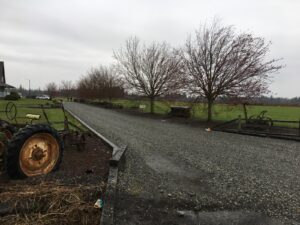
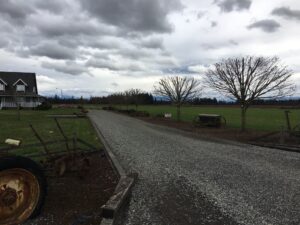
Before leaf removal vs. after leaf removal with NCLC.

Bed Cleanup & Perennial Care
Garden beds need targeted attention before winter sets in. Dead or diseased plant material left in beds overwinters pests and pathogens that will attack new growth in spring. However, not everything should be removed. Some dried seed heads provide winter food for birds, and certain sturdy stems offer structure and frost protection.
What We Remove:
- Diseased or pest-damaged foliage
- Fully decomposed or mushy plant material
- Weeds that have gone to seed
- Debris that blocks light or air circulation
What We Often Leave:
- Small ornamental grasses (cut back in late winter)
- Seed heads on coneflowers and rudbeckia
- Sturdy perennial stems that provide wildlife habitat
- Native plants with winter interest
The Process: Once they’ve fully browned, we cut back perennials to 3-6 inches above the crown. This prevents rot at the base while leaving enough material to mark plant locations.
For clients interested in pollinator support, we can leave some areas deliberately “messy” to provide overwintering habitat for beneficial insects while keeping high-visibility areas pristine.
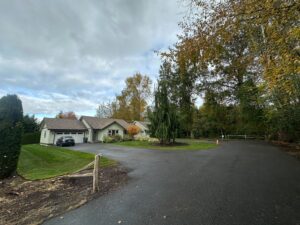
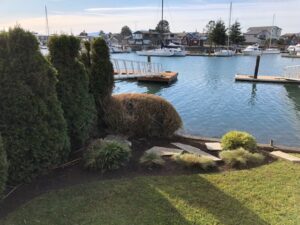
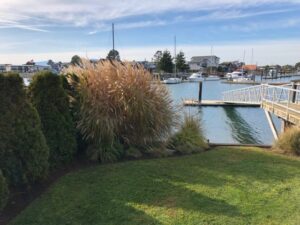
Before winter grass cutbacks vs. after professional winter grass cutbacks with NCLC.
Winter Mulching for Root Protection
Mulch is your landscape’s winter coat. In Whatcom County, where temperatures fluctuate between freezing nights and mild days, exposed soil contracts and expands repeatedly. This heaving action damages shallow roots, pushes plants out of the ground, and stresses even established specimens.
Why Winter Mulch Works: A 2-4 inch layer of organic mulch insulates soil, moderating temperature swings and keeping roots at a more consistent temperature. It also retains moisture during dry spells, suppresses winter weeds, and slowly breaks down to improve soil structure.
Our Mulch Approach: We use locally sourced, organic mulches that match your landscape’s needs. All of our mulch is undyed:
- Black fertile mulch
- Medium fir mulch
- Cedar chips
We apply mulch after beds are cleaned and soil has cooled, but before the first hard freeze. This timing locks in soil moisture and prevents erosion during heavy winter rains. We keep mulch pulled back 2-3 inches from plant stems and tree trunks to prevent rot.
We have a minimum mulch service of $480, which includes both labor and materials for up to 3 yards of mulch.
For projects that exceed the minimum, regular bark mulch is approximately $150 per yard installed. If you prefer composted mulch for added soil health and nutrient value, it’s slightly higher per yard due to the enhanced material quality.
For very large jobs, we recommend bark blowing, which provides a clean, even finish and faster installation. This service typically runs around $120 per yard.
Our team can help you determine the most efficient and cost-effective option for your property’s size and design.
When to Call a Professional vs. DIY
You Can Handle:
- Light leaf raking on small properties
- Cutting back a few perennials
- Pulling obvious weeds
Call North County Landscape Co. When:
- You have lots of trees and shrubs requiring pruning equipment
- Drainage issues need assessment
- You want plants properly identified before cutting
- Your property is too large to manage in available time
- You’re unsure what should be pruned or removed
- You need mulch delivered and spread efficiently
Winter weather can be unpredictable. Our crews monitor conditions and schedule work during optimal windows when soil isn’t oversaturated and plants aren’t stressed. We also carry proper insurance and safety equipment for tree work and wet-weather operations.
What to Expect: Winter Landscape Cleanup Investment
Winter cleanup services are customized based on your property’s size, current condition, and specific needs. We provide transparent estimates after a brief property assessment.
Factors That Influence Your Investment:
- Property size (square footage of beds, lawn area, hardscapes)
- Volume of leaves and debris
- Number and size of plants requiring pruning or cutback
- Accessibility (slopes, tight spaces, gate width)
- Mulch type and volume needed
- Frequency (one-time cleanup vs. seasonal maintenance package)
All of our estimates include labor, equipment, debris removal, and haul-away. Mulch and specialty materials are billed at cost plus delivery when applicable.
Timeline: When to Schedule Your Winter Services
November:
- Initial leaf removal (after first major drop)
- Begin perennial cutback
- Tree pruning assessment
December:
- Final leaf cleanup
- Complete bed cleanup
- Apply winter mulch
- Storm damage assessment
January-February:
- Structural tree pruning (while dormant)
- Light maintenance pruning
- Storm debris removal as needed
Book Early: Winter scheduling is more flexible than spring and summer, but our calendar still fills. Contact us in October to secure your preferred service dates. Many clients schedule recurring winter visits so their property stays maintained throughout the season without last-minute calls.
Ready to Protect Your Landscape This Winter?
Don’t wait until spring to discover winter damage could have been prevented. North County Landscape offers comprehensive winter cleanup services tailored to Whatcom County’s unique climate and your property’s specific needs.
Contact us today for:
- Free winter cleanup assessment
- Custom service scheduling
- Seasonal maintenance packages
Let us handle the winter work so you can enjoy a healthier, more beautiful landscape when spring arrives.
Share with your followers:
The Benefits of Landscape Bed Maintenance (and Why It’s More Than Weeding)
Most landscape companies in Western Washington offer landscape bed maintenance. Unfortunately, not all companies truly focus on this specific service’s details. The truth is flower bed maintenance is horticultural work. It requires knowing which plants are in the beds, when to feed them, when to cut them back, and when to leave them alone. It…
Spring Weeds in Whatcom County: Early Signs & Smart Treatments
Spring in Whatcom County brings longer days and a burst of green across every yard. Unfortunately, in our corner of the Pacific Northwest, weeds get a head start that most grass can’t match. However, catching weeds before they flower and spread seed is the single biggest thing you can do to keep them from taking…
How to Turn On Your Irrigation System After Winter
TL;DR: Wait until nighttime temperatures stay above freezing, then slowly turn on your irrigation system, test each zone for damage, and address any leaks or broken components before regular watering begins. When spring arrives in Western Washington, it’s time to wake your irrigation system from its winter sleep. But turning on an irrigation system after…
The Best Time for Overseeding in Washington State
If you’ve been watching your lawn limp through another Pacific Northwest winter, you already know the look: thin, patchy turf with a faded yellow-green pallor that no amount of warming weather seems to fix on its own. Overseeding is one of the most effective ways to bring a tired lawn back to life, but timing…
Should I Get a Sprinkler System? A Homeowner’s Guide to Irrigation
You water your lawn a few times a week, drag the hose around the yard, set a reminder on your phone so you don’t forget, and somehow, there are still dry patches by August. If that sounds familiar, you’ve probably wondered whether a sprinkler system (also called an irrigation system) is worth the investment. The…