
Blog Post
Why Winter Is the Perfect Time to Plan Your Landscape Projects in Whatcom County
January 9, 2026
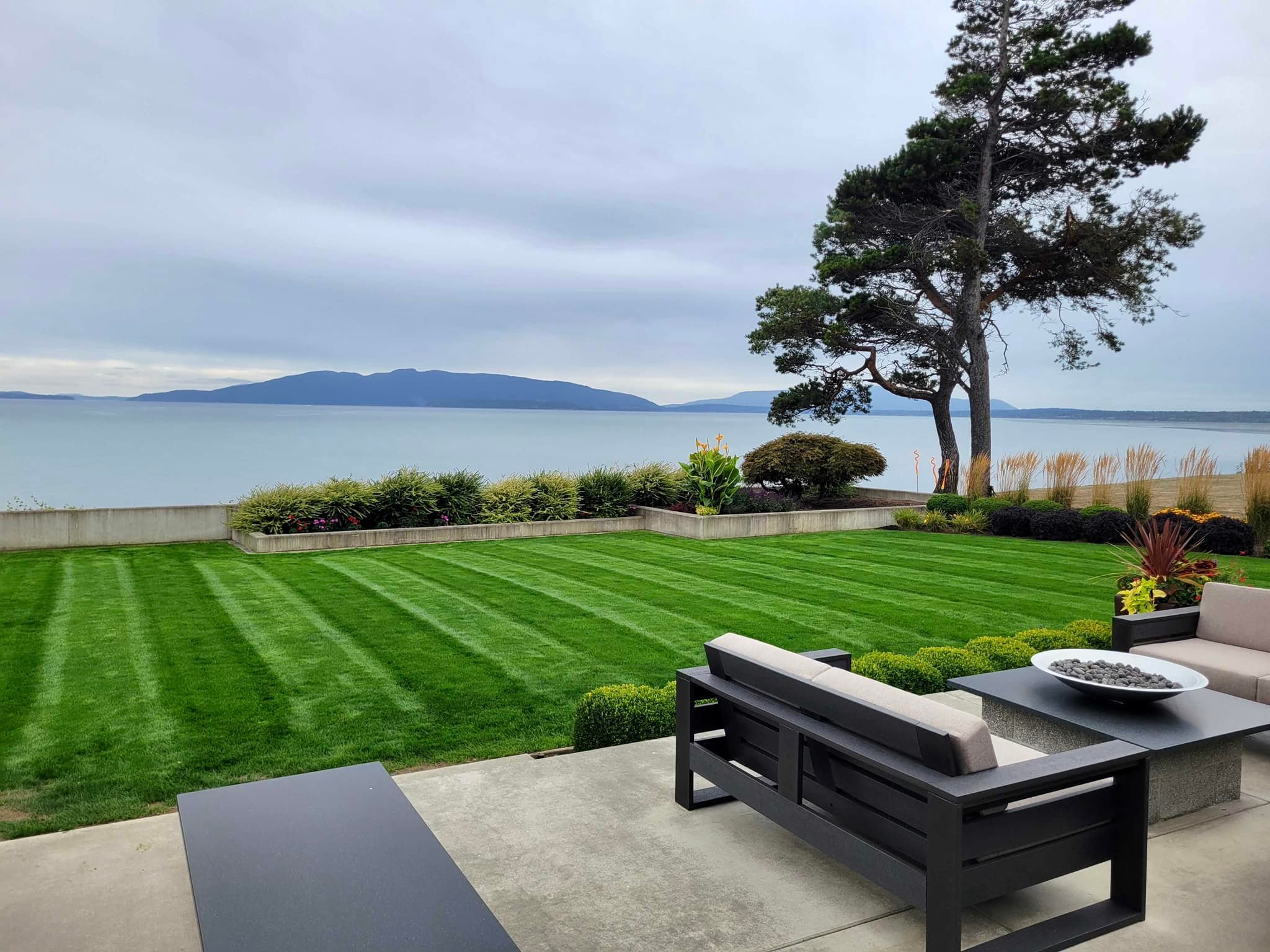
When most homeowners think about landscaping, they think about spring. Warmer weather, longer days, and the excitement of getting outside again naturally put outdoor projects top of mind.
What many homeowners in Bellingham and across Whatcom County don’t realize is that winter is actually the best time to plan a landscape project, especially if you want it completed and ready to enjoy by late spring or early summer.
Every year, we hear the same thing in April and May:
“We were hoping to have this done by graduation.”
“We’d love to host Fourth of July.”
“We didn’t realize you were already booked.”
The projects themselves are often great ideas. The challenge is timing
Winter Planning Secures Spring Availability
One of the biggest advantages of winter landscape planning is access—to time, attention, and scheduling flexibility.
During winter, our design and estimating calendar is simply more open. That allows homeowners to:
- Schedule site visits quickly, often within a few days
- Take time reviewing layouts, materials, and options
- Make confident decisions without the pressure of looming deadlines
By the time spring arrives, installation calendars are already filling. When homeowners reach out in April, the first available install window may be weeks or even months away.
Planning during winter allows us to reserve preferred spring installation dates, rather than trying to fit projects in after the season is already underway.
Why Waiting Until Spring Often Causes Delays
Spring demand in the Pacific Northwest is intense, and for good reason. Once the weather improves, everyone wants to move forward at the same time.
That creates a few common issues:
- Longer wait times for design visits
- Tighter install schedules
- Less flexibility for revisions or adjustments
- Projects extending into summer instead of finishing early
Winter planning removes that stress from the equation. Instead of rushing decisions, homeowners have space to think through the details that make a landscape truly successful.
Is Winter Landscape Work Really Possible?
This is one of the most common concerns we hear, and it’s a fair question.
The short answer is yes! Most landscape work can be planned and, in many cases, completed during winter, as long as it’s done thoughtfully.
At North County, winter projects are always sequenced around weather conditions. We monitor forecasts closely and adjust work accordingly. If freezing temperatures are expected, we plan around them rather than pushing work through unfavorable conditions.
Depending on the project, winter may involve:
- Completing hardscape, drainage, irrigation, or infrastructure work
- Installing sod when conditions allow
- Preparing sites and phasing certain elements for early spring completion
The goal is never speed. It’s long-term success.
Winter Landscape Planning Can Offer Better Value
From a cost perspective, winter can also be advantageous.
Spring is peak season. Demand is high, schedules are tight, and pricing reflects that reality. In winter, capacity is more flexible, which can allow for:
- Sharper pricing on select projects
- Seasonal incentives on upgrades like irrigation or backflow installations
- Better coordination of labor and materials
While every project is different, winter planning often results in greater overall value, not because corners are cut, but because the work is scheduled more efficiently.
For a broader look at how landscape investments pay off long-term, see our article on whether landscaping increases home value.
Projects That Benefit Most From Winter Planning
Not every project needs to start in winter, but many benefit greatly from being planned then.
Winter is ideal for planning:
- Full landscape redesigns
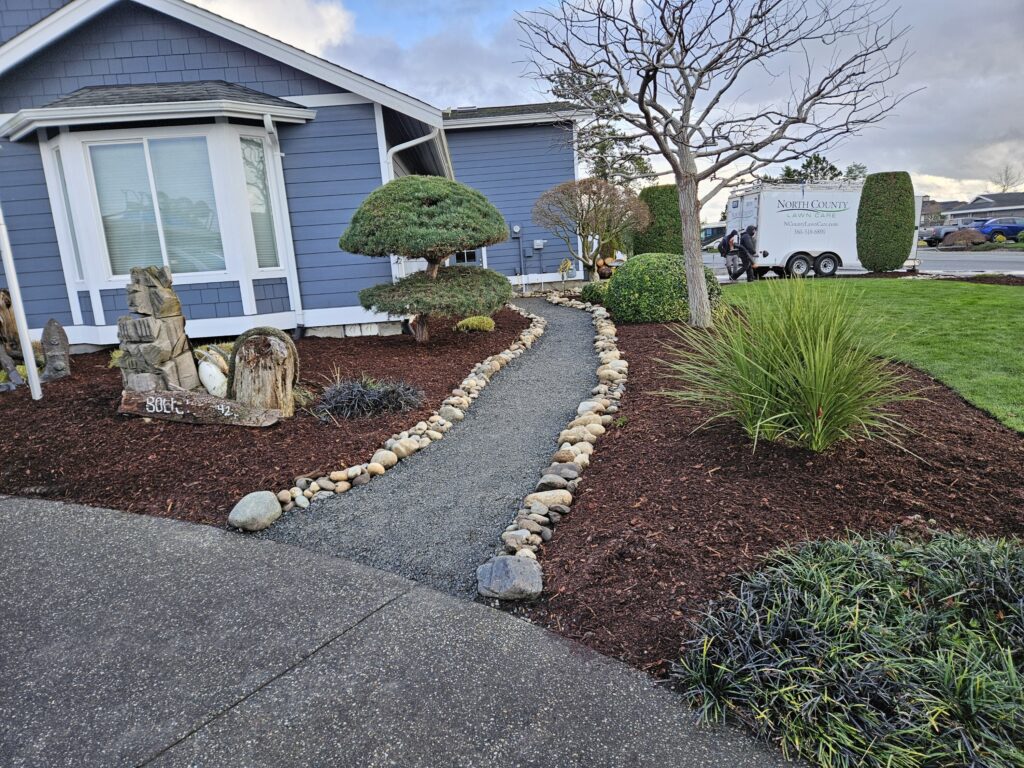
- Patios, walkways, and retaining walls
- Drainage solutions
- Irrigation upgrades and backflow compliance
- Planting plans and material selections
- Properties hosting summer events, weddings, or graduations
Planning early also helps avoid plant availability issues later in the season, when certain varieties may sell out during peak demand.
If you’re gathering inspiration, our roundup of best PNW landscaping ideas is a great place to start.
Why Winter Is Ideal for the Design Phase
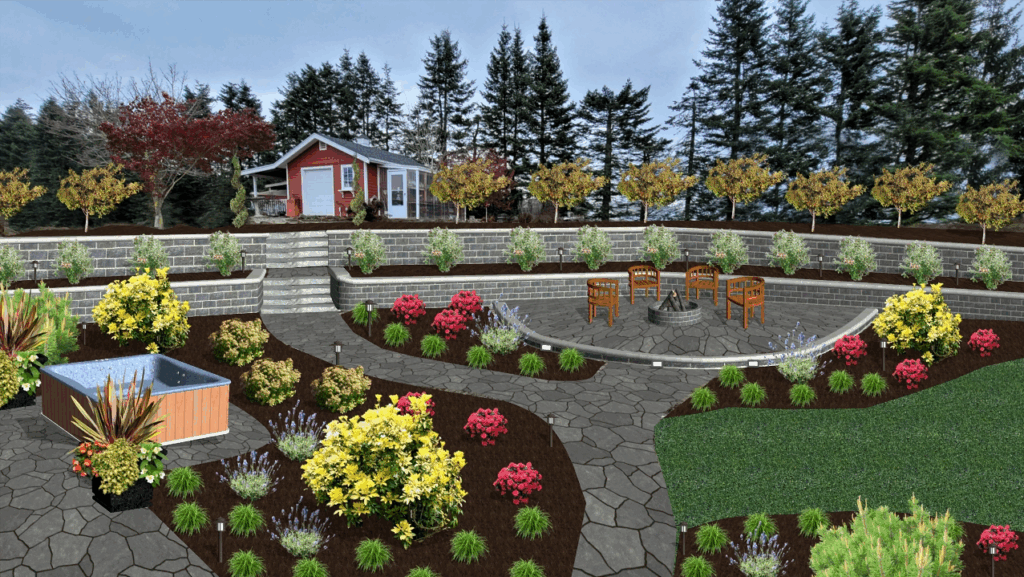
Great design takes time. Winter provides it.
During winter, homeowners can:
- Review layouts without pressure
- Compare materials thoughtfully
- Make adjustments before construction begins
- Avoid costly change orders later
Our design-to-install process is structured to create clarity before work begins. Design fees are typically credited back when clients move forward with their project, ensuring the design phase adds value rather than friction.
With clearer plans and better handoffs, projects run smoother from start to finish.
Winter vs. Spring: A Simple Comparison
Winter planners:
- Choose their timeline
- Secure preferred install dates
- Experience less stress
- Enjoy their landscape earlier
Spring callers:
- Wait for availability
- Face tighter schedules
- Feel rushed into decisions
- Risk missing key summer milestones
The difference is rarely the project itself. It’s when the planning begins.
A Local Reality for Bellingham and Whatcom County
In our region, experienced homeowners plan early because they understand the constraints:
- A limited construction and planting season
- Weather-driven scheduling
- High demand for reliable design-build teams
- Regulatory requirements like irrigation backflow compliance
Winter reveals site conditions more clearly as well. Drainage patterns, grading issues, and structural elements are often easier to assess before spring growth returns.
For examples of projects that started with thoughtful planning and delivered lasting results, explore our featured projects.
How to Get Started This Winter
Starting is simple:
- Schedule a winter consultation
- Walk the property together
- Discuss goals, timing, and budget
- Begin design and secure spring installation dates
Winter planning doesn’t mean rushing into construction. It means entering spring prepared, confident, and ahead of the curve.
If you’re curious about how pricing is structured, you can learn more on our pricing page.
Plan Calmly Now, Enjoy Confidently Later
The most successful landscapes don’t start with last-minute calls in April. They start with clear planning in winter.
If you’re thinking about improving your outdoor space this year, winter is the ideal time to start the conversation.
Frequently Asked Questions
- Can landscaping really be done in winter in Whatcom County?
Yes. Many projects can be completed or partially completed in winter with proper planning and weather monitoring. - Will my project be finished by spring if I plan in winter?
Planning in winter significantly increases the likelihood of completing your project early in the season. - Is winter landscaping more expensive?
Often the opposite. Winter planning can allow for better pricing and scheduling flexibility. - What if the ground freezes?
Work is scheduled around weather conditions. If freezing occurs, certain phases may be adjusted or delayed strategically. - Do plants survive winter installation?
Yes, when planted correctly and at the right time. In some cases, planting may be phased into early spring. - What projects should not be planned in winter?
Very few. Even if installation happens later, design and preparation are almost always beneficial. - How long does the design process take?
Typically several weeks, depending on project complexity and revisions. - Can I still make changes after planning in winter?
Yes. Winter planning allows time for revisions before construction begins. - Do I need to commit to installation to start design?
No. Design is the first step and helps homeowners make informed decisions. - When should I contact a landscaper if I want summer-ready results?
Winter is ideal. Waiting until spring often limits options and availability.
Share with your followers:
Spring Flower Bed Maintenance: A Western Washington Guide
Summary: Spring flower bed maintenance in Western Washington means tackling weeds early, refreshing mulch, cutting back winter-damaged plants, and preparing soil before our growing season hits full stride, while staying ahead of slugs. Spring arrives in Western Washington with a mix of promise and urgency. The first warm days reveal what winter left behind: beds…
The 16 Best Whatcom County Native Plants to Add to Your Landscaping This Spring
Spring in Whatcom County means it’s time to think about your garden or landscape. If you want plants that actually thrive here without constant babysitting, native species belong at the top of your list. Plants native to the Pacific Northwest have spent thousands of years adapting to our wet winters, dry summers, and the occasional…
What to Look for in Spring Cleanup Services
The first warm days of spring in the Pacific Northwest can feel like a long-awaited exhale. Snow recedes, mossy layers thin out, and buried beneath months of fallen leaves and debris, your lawn starts sending up new growth. That’s the signal: it’s time for a spring cleanup. But who you hire for the job matters…
Mulch vs Bark: What’s the Best Ground Cover for Whatcom County Gardens?
For Whatcom County gardens, processed mulches (medium fir and black composted) outperform bark and cedar chips in moisture retention, weed control, and soil health by working with our wet winters and dry summers instead of against them. Walk through any garden center in Whatcom County, and you’ll face rows of bags labeled mulch, bark, and…
How to Fix Drainage Problems in Whatcom County
Living in Whatcom County means rain is part of the deal. What many homeowners don’t expect is how often that rain turns into persistent landscape and property problems—standing water, struggling lawns, moss takeover, and even moisture near foundations. Across Bellingham, Ferndale, and surrounding communities, drainage issues are becoming more common. And while homeowners often say,…