
November 14, 2025 | Last Updated: November 14, 2025
The Pacific Northwest landscape is unlike anywhere else: towering evergreens, deep green moss, and a rhythm of rain and sunlight that shapes every garden. Designing for this region means embracing nature’s personality while creating a space that looks intentional and stays manageable through every season.
Whether you want a backyard that feels like a woodland escape or a front yard with refined curb appeal, these ideas will help you build a landscape that thrives in our unique environment.
Table of Contents
What Makes Pacific Northwest Landscaping Unique
The PNW’s mild, wet winters and dry summers call for intentional design. Drainage, soil structure, and plant choice all make the difference between a landscape that survives and one that truly thrives. Coastal areas tend to have cooler, saltier air, while inland zones like Whatcom County enjoy slightly warmer summers but deal with heavy winter rain.
Working with the land’s natural tendencies rather than fighting them creates beauty that endures. At North County Landscape Co., we often describe it as “designing with the rain in mind.”
10 Timeless PNW Landscaping Ideas That Work Year-Round
1. Design With Native and Climate-Adapted Plants
Native plants form the foundation of a healthy, low-maintenance landscape. They’re already tuned to the region’s soil and rainfall patterns, so they require less water and fertilizer. Vine maple, sword fern, Oregon grape, salal, and red-twig dogwood bring color and structure that shift beautifully with the seasons. Layer evergreen shrubs with flowering perennials to create texture and depth year-round.

2. Replace Grass With Groundcovers or Synthetic Turf
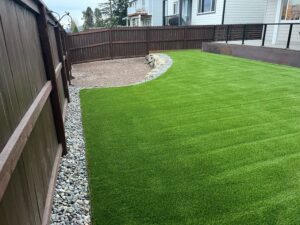
Many PNW homeowners are rethinking traditional lawns. Groundcovers like clover, kinnikinnick, or creeping thyme stay green without weekly mowing. For a crisp, always-fresh look, synthetic turf is an increasingly popular option. It’s PFAS-free, durable, and perfect for rentals, play areas, or high-traffic spaces.
3. Add Paver Pathways and Retaining Walls
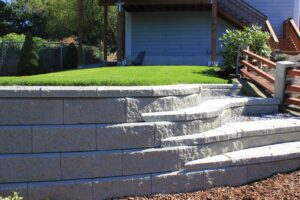
Pavers and gravel add both function and charm. A well-placed path makes your landscape usable year-round, while retaining walls transform sloped terrain into usable, beautiful garden levels. Pavers fit seamlessly into the PNW aesthetic, balancing structure with organic appeal.
4. Create Privacy With Evergreen Screens
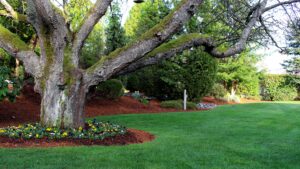
Instead of fencing, use layered plantings to define your space. Hinoki cypress, laurel, and arborvitae create green walls that provide privacy and a sense of calm. Varying height, texture, and leaf shape keep the design dynamic even in winter when deciduous plants have dropped their leaves.
5. Build a Rain Garden or Dry Creek Bed
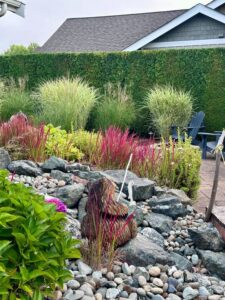
Rainfall is part of life here, but that doesn’t mean puddles have to be. Rain gardens collect and filter runoff using native perennials and ornamental grasses. A dry creek bed adds movement and texture while guiding excess water away from foundations. These features manage moisture naturally and add visual interest.
6. Use Bark Mulch for Moisture Control and Contrast
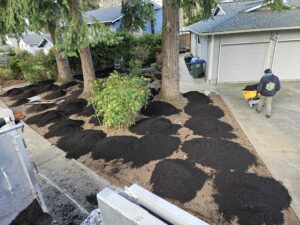
Mulch is one of the simplest ways to protect your landscape from drought and erosion. A thick layer helps the soil retain moisture and prevents weeds from taking hold. It also creates a natural color contrast that makes plants stand out. NCLC’s maintenance crews use high-quality bark mulch for both aesthetics and soil health.
7. Blend Function and Beauty With Outdoor Living Spaces
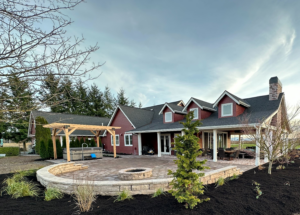
A covered patio or pergola extends your living space beyond the back door. Add a stone fire pit for warmth and low-voltage lighting to make evenings comfortable even during the long, dark winters. Composite decking, cedar, and natural stone hold up best in our damp climate while maintaining timeless appeal.
8. Choose Drought-Tolerant Lawns
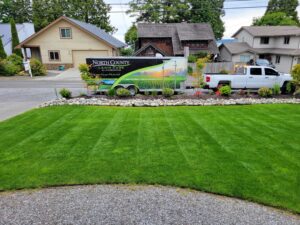
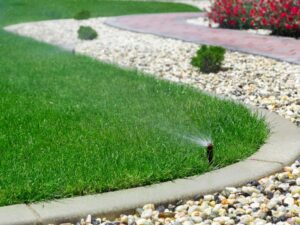
Even lawns can be sustainable in the PNW when built right. Consider drought-tolerant seed blends or lawn health programs that balance soil nutrients and improve root systems. Smart irrigation systems also make a big difference by watering efficiently during dry months while conserving resources.
9. Add Seasonal Color With Perennials and Bulbs
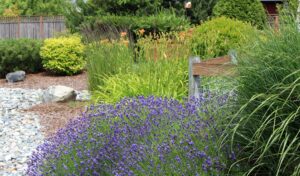
A vibrant yard doesn’t have to mean constant replanting. Mix spring bulbs like tulips and daffodils with summer-blooming perennials such as echinacea, black-eyed susans, and daylilies. When layered with evergreen shrubs and ornamental grasses, the result is a colorful, low-effort display that changes with the seasons.
10. Design With Sustainability in Mind
Modern landscapes can be both elegant and eco-conscious. Electric equipment, organic fertilizers, efficient irrigation, and plant placement all contribute to a more sustainable yard. At NCLC, we’re committed to helping homeowners choose greener options that look as good as they perform.
Common PNW Landscaping Challenges (and How to Solve Them)
- Too much shade: Under towering evergreens, go for shade-tolerant plants like hosta, fern, or hellebore.
- Poor drainage: Install French drains or build rain gardens to move water away.
- Moss and soggy lawns: Regular aeration, lime applications, and soil nutrient balancing help grass grow thick and moss-free.
- Summer drought: Replace water-loving plants with drought-tolerant varieties and use thick mulch layers to retain soil moisture.
These are challenges we see every day, but they’re all solvable with the right design approach and maintenance plan.
Design Styles That Fit the Northwest
- Modern Northwest: Clean lines, structural plantings, concrete pavers, and steel accents for a refined look.
- Woodland Retreat: Natural stone, cedar mulch, and native plants like ferns, trillium, and huckleberry for a relaxed, forest feel.
- Coastal Minimalist: Ornamental grasses, driftwood, gravel, and hardy shrubs that stand up to wind and salt.
Each style captures a different part of the Pacific Northwest’s spirit, but all celebrate natural textures and smart design.
Bring Your Vision to Life With North County Landscape Co.
Your landscape should be more than a yard; it should feel like home. At North County Landscape Co., we combine craftsmanship, regional expertise, and high-quality materials to create outdoor spaces that thrive in the Pacific Northwest climate.
When you’re ready for a full landscape installation, or even if you’re just exploring ideas, our team can help you plan a space that’s as functional as it is beautiful.
Request a free estimate to start building your five-star landscape experience.
FAQs
What grows best in the Pacific Northwest?
Plants that thrive here are those that can handle moisture and partial shade while tolerating summer dryness. Native choices like vine maple, sword fern, Oregon grape, rhododendron, and salal perform beautifully with minimal care. Pairing them with ornamental grasses and evergreens gives year-round texture.
How do I landscape a yard that stays wet all winter?
Focus on drainage and plant selection. French drains, rain gardens, or dry creek beds move water naturally, while species such as red-twig dogwood, sedges, and ferns tolerate damp soil. Avoid compacted ground; regular aeration and mulch improve absorption over time.
What is the easiest landscaping to maintain in Washington?
Low-maintenance yards often use native plants, bark mulch, and minimal lawn space. Groundcovers or synthetic turf reduce mowing, and well-designed irrigation systems cut watering time. Many homeowners also choose NCLC’s recurring maintenance programs for long-term ease.
Can you have a drought-tolerant landscape in the PNW?
Yes. Even in our rainy climate, summers can be dry, so drought-tolerant design matters. Using deep-rooted plants, organic mulch, and efficient irrigation keeps your landscape healthy with less water. Blending natural and synthetic turf is another popular option.
When is the best time to start a landscaping project in Western Washington?
Spring and early fall are ideal. Cooler temperatures and consistent moisture help plants establish strong roots. For projects involving patios, retaining walls, or irrigation, planning during winter ensures you’re first on the schedule when installation season begins.
Share with your followers:
Recent Posts
How Much Does a Paver Patio Cost in Whatcom County?
Paver Patio Cost by Size Patio Size Dimensions Typical Range What It Fits 150 sq. ft. 10 x 15 ft. $5,500 to $12,000 Bistro table and two chairs, or a grill station 200 sq. ft. 10 x 20 ft. $7,000 to $15,000 Small dining set, or a pair of loungers 300 sq. ft. 15 x…
Clover Lawns vs. Traditional Grass: Which Works Better in the Pacific Northwest?
Clover Lawn vs. Grass Lawn Comparison Chart Factor Micro-Clover Lawn Traditional Grass Lawn Mowing Every three to four weeks in peak season Weekly from spring through early fall Summer water Little once established Regular irrigation to hold color through August Winter look Thins out and can look sparse from December to February Stays green through…
Fire Pits, Water Features, & Rock Gardens: How to Add Year-Round Interest to Your Backyard
Designing for Four Seasons in the PNW Year-round landscape design comes down to layering features that catch your attention at different times: Something with structure to add interest during the winter Something that pulls you outside on cool evenings, and Something that moves and makes sound when the garden is still. Stone, fire, and water…