
Blog Post
Synthetic Turf: Pros, Cons, and How to Decide If It’s Right for Your Yard
January 27, 2026
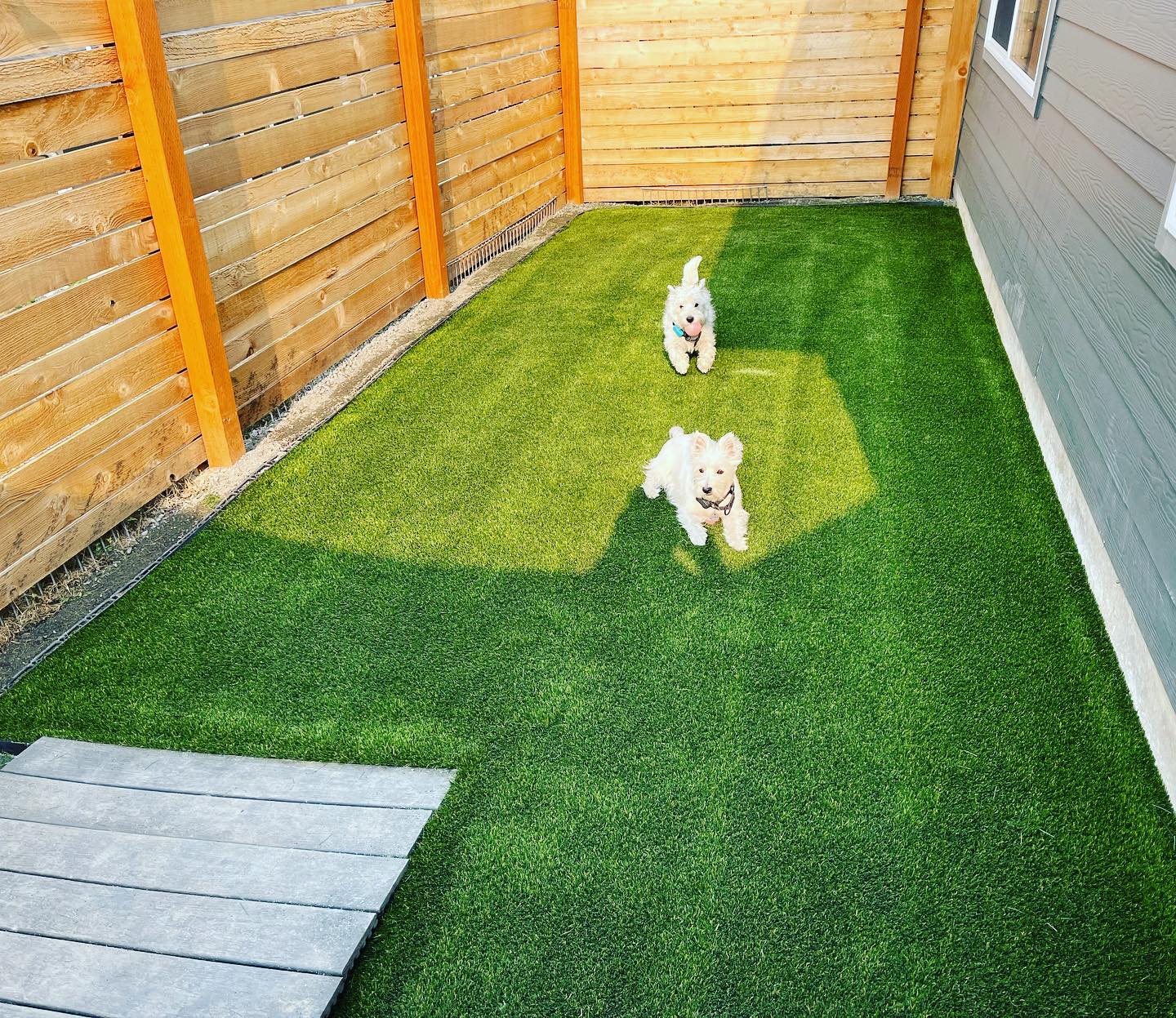
Synthetic turf has come a long way over the last decade. Today’s products look more natural, drain better, and hold up far longer than the stiff, plastic grass many homeowners still picture.
That said, it is not the right fit for every property, lifestyle, or budget.
If you are weighing synthetic turf against a natural lawn, this guide walks through the real advantages, the real drawbacks, and the questions worth asking before you commit.
Quick Summary: When Synthetic Turf Makes Sense
Synthetic turf tends to work best when:
- You want a green, finished look with very little upkeep
- Shaded areas struggle to grow healthy grass
- Water use, mud, or tracking dirt into the home is a constant frustration
- Kids or pets use the yard heavily year-round
It may not be the best option if:
- You enjoy lawn care and seasonal yard work
- You want the cooling effect of living grass
- Budget flexibility is limited upfront
- Your space benefits from natural soil absorption
The sections below break this down in more detail.
The Pros of Synthetic Turf
1. Low Ongoing Maintenance
Once installed, synthetic turf does not need mowing, edging, fertilization, aeration, or irrigation. That can be appealing for homeowners who want a clean look without a weekly maintenance routine. Occasional rinsing and brushing are typically all that is needed to keep it looking tidy.
2. Consistent Appearance Year-Round
In Western Washington, lawns often struggle with winter saturation, moss growth, and summer dry patches. Synthetic turf stays green through all seasons, regardless of rainfall or sun exposure. This consistency is especially helpful in shaded yards or narrow side areas where grass rarely thrives.
3. Reduced Water Use
Synthetic turf does not require irrigation. For homeowners looking to reduce water use or avoid installing irrigation in small spaces, that can be a clear advantage.
4. Durable for High-Traffic Areas
Play areas, pet runs, and frequently used paths tend to quickly wear down natural grass. Synthetic turf holds up well under repeated foot traffic and does not turn into mud during wet months.
5. Cleaner Yards for Pets and Kids
No mud, fewer bare spots, and easier cleanup after pets are common reasons families choose synthetic turf. Drainage systems allow water and pet waste to move through rather than pooling on the surface.
The Cons of Synthetic Turf
1. Higher Upfront Cost
Synthetic turf costs more upfront than sod or seed. Installation includes base preparation, drainage layers, and precise seaming, which adds to the total investment.
While long-term maintenance costs are lower, the initial price is often the biggest hesitation point for homeowners.
2. Heat Retention
Synthetic turf can feel warmer than natural grass on hot, sunny days. In most Pacific Northwest settings, this is less extreme than in hotter climates, but it is still worth considering for south-facing yards or play areas. The North County team can help you choose a product that can help reduce heat; otherwise, light rinsing can help cool the surface when needed.
3. It Is Not a Living Surface
Synthetic turf does not provide the same environmental benefits as natural grass. It does not absorb carbon, support soil biology, or contribute to natural cooling in the same way.
For homeowners who value living landscapes, this can be an important factor.
4. Quality Matters More Than Ever
Not all synthetic turf products are the same. Lower-grade turf can fade, flatten, or drain poorly over time. Proper installation is just as important as the material itself.
Cutting corners on base preparation often leads to visible seams, uneven surfaces, or drainage issues later on.
5. Eventual Replacement
Synthetic turf does not last forever. Most products last many years, but they will eventually need replacement once fibers break down or flatten beyond recovery.
Synthetic Turf vs. Natural Grass in the Pacific Northwest
Western Washington’s climate plays a big role in how turf performs.
Natural grass:
- Thrives in sunny, well-drained areas
- Can struggle with moss, compaction, and winter saturation
- Requires seasonal care to stay healthy
Synthetic turf:
- Performs well in shade and wet conditions
- Avoids mud during rainy months
- Trades soil health for visual consistency
Many homeowners find that a blended approach works best, using synthetic turf in problem areas and natural grass where conditions support it.
Questions to Ask Before Choosing Synthetic Turf
Before moving forward, it helps to think through a few practical questions:
- How do we actually use this space day to day?
- Is maintenance time or appearance more important to us?
- Does this area struggle with drainage, shade, or wear?
- Are we comfortable with the upfront investment?
- Would a partial turf installation solve the problem instead of a full yard replacement?
Clear answers usually make the decision much easier.
A Thought on Installation Quality
Synthetic turf is only as good as the work beneath it. Proper grading, drainage, and base compaction are what keep the surface smooth and functional long-term. That preparation often matters more than the turf brand itself.
Final Takeaway
Synthetic turf can be a great option for the right yard and homeowner. It offers consistency, reduced maintenance, and reliable performance in areas where grass struggles. It also comes with tradeoffs, especially around cost and the loss of a living lawn.
The best choice is rarely about trends. It is about how you want your outdoor space to function and feel.
If you want help weighing those options for your property, North County Landscape Co. can walk through real-world examples, materials, and layout ideas so you can make a confident decision, whether that includes synthetic turf, natural lawn, or a mix of both.
Share with your followers:
The Benefits of Landscape Bed Maintenance (and Why It’s More Than Weeding)
Most landscape companies in Western Washington offer landscape bed maintenance. Unfortunately, not all companies truly focus on this specific service’s details. The truth is flower bed maintenance is horticultural work. It requires knowing which plants are in the beds, when to feed them, when to cut them back, and when to leave them alone. It…
Spring Weeds in Whatcom County: Early Signs & Smart Treatments
Spring in Whatcom County brings longer days and a burst of green across every yard. Unfortunately, in our corner of the Pacific Northwest, weeds get a head start that most grass can’t match. However, catching weeds before they flower and spread seed is the single biggest thing you can do to keep them from taking…
How to Turn On Your Irrigation System After Winter
TL;DR: Wait until nighttime temperatures stay above freezing, then slowly turn on your irrigation system, test each zone for damage, and address any leaks or broken components before regular watering begins. When spring arrives in Western Washington, it’s time to wake your irrigation system from its winter sleep. But turning on an irrigation system after…
The Best Time for Overseeding in Washington State
If you’ve been watching your lawn limp through another Pacific Northwest winter, you already know the look: thin, patchy turf with a faded yellow-green pallor that no amount of warming weather seems to fix on its own. Overseeding is one of the most effective ways to bring a tired lawn back to life, but timing…
Should I Get a Sprinkler System? A Homeowner’s Guide to Irrigation
You water your lawn a few times a week, drag the hose around the yard, set a reminder on your phone so you don’t forget, and somehow, there are still dry patches by August. If that sounds familiar, you’ve probably wondered whether a sprinkler system (also called an irrigation system) is worth the investment. The…