
Blog Post
Spring Pruning: Which Plants Benefit (and Which Should Wait)
January 23, 2026
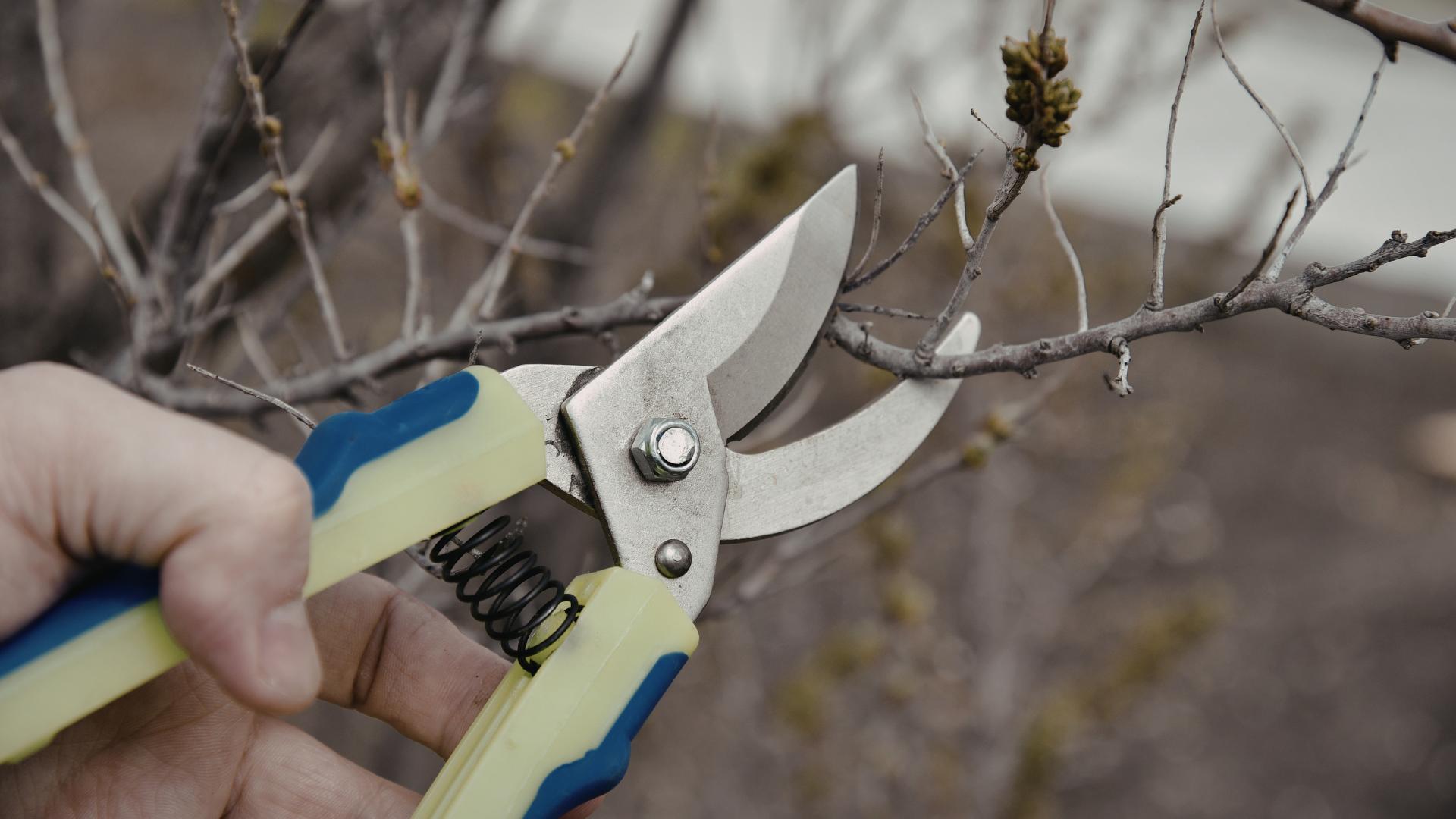
Spring arrives early in Whatcom County. Buds swell, lawns wake up, and landscapes start asking for attention. That energy makes it tempting to prune everything at once, but in Western Washington, timing and technique matter more than urgency.
Some plants thrive with a spring prune. Others lose blooms, struggle to recover, or become vulnerable to disease if cut too soon. Knowing which plants benefit — and which should wait — protects both the health and appearance of your landscape.
This guide breaks down spring pruning decisions for plants common in Whatcom County landscapes, including Pacific Northwest natives and popular ornamentals.
Quick Reference: What to Prune in Spring
If you want the short answer before diving deep:
Prune in Early Spring
- Roses (most shrub and hybrid types)
- Panicle hydrangea (Hydrangea paniculata)
- Smooth hydrangea (Hydrangea arborescens)
- Butterfly bush (Buddleja)
- Bluebeard (Caryopteris)
- Rose of Sharon (Hibiscus syriacus)
- Apple and pear trees
Wait Until After Flowering
- Rhododendrons
- Azaleas
- Lilacs
- Forsythia
- Camellias
- Pieris (Andromeda)
Cleanup Only or Gentle Cuts
- Bigleaf hydrangea (Hydrangea macrophylla)
- Mountain hydrangea (Hydrangea serrata)
- Native shrubs
- Most evergreens
When in doubt, focus on removing dead or damaged growth and wait on structural pruning.
Pruning vs. Spring Cleanup: What’s the Difference?
Not all cutting is the same.
- Pruning changes plant structure and affects flowering patterns.
- Spring cleanup clears winter debris, removes dead material, and tidies beds without reshaping.
Many plants in Whatcom County landscapes benefit from cleanup in early spring but should not be pruned aggressively until later.
Because snow and frost can linger and spring moisture increases disease risk, choosing cleanup over structural pruning is a safer start for many shrubs and perennials.
How to Tell When to Prune
One rule that helps across many species:
- Plants that bloom on last season’s wood (old wood) should be pruned after they finish blooming.
- Plants that bloom on new growth (new wood) can be pruned before new shoots emerge.
This rule helps gardeners avoid cutting off flower buds before they ever open.
Why Timing Matters in the Pacific Northwest
Western Washington’s mild climate extends growing seasons but also brings long, wet springs. That combination means:
- Buds can be easily lost when removed too early.
- New cuts are more likely to get infections in moist conditions.
- Plants that bloom early set buds the previous season.
Mistimed pruning doesn’t just reduce blooms for one year. It can change plant shape and vigor for seasons to come.
Plants That Benefit From Spring Pruning
These plants flower on new wood or respond well to structural shaping before active growth:
Roses (Most Types)
Hybrid tea, floribunda, and many shrub roses benefit from early spring pruning.
- Remove dead or winter-damaged canes.
- Thin crowded branches for better air circulation.
- Cut back to outward-facing buds.
Climbing roses need a more tailored approach and often fewer cuts.
Shrubs That Bloom On New Wood
These shrubs produce flowers on growth formed in the current season.
Common Whatcom County examples:
- Panicle hydrangea (Hydrangea paniculata)
- Smooth hydrangea (Hydrangea arborescens)
- Butterfly bush (Buddleja)
- Bluebeard (Caryopteris)
- Rose of Sharon (Hibiscus syriacus)
Spring pruning encourages strong growth and fuller bloom later in the summer.
Fruit Trees (Apples and Pears)
Late winter through early spring works well for pome fruit trees.
- Improve branch structure for light and airflow.
- Remove crossing branches.
- Shape for height control.
Stone fruit such as cherries often follow different timing and sometimes benefit from summer pruning instead.
Perennials With Winter Dieback
Many perennials do not need structural pruning in early spring; they need cleanup.
Examples:
- Daylilies
- Hostas
- Peonies
- Ornamental grasses
Wait until new shoots appear at the base before removing last season’s foliage.
Hydrangeas: Know Your Type
Hydrangeas are one of the most common sources of pruning mistakes because different types respond differently.
Hydrangeas You Can Prune in Spring
- Panicle hydrangea (Hydrangea paniculata)
- Smooth hydrangea (Hydrangea arborescens)
These set blooms on new wood and respond well to early cuts.
Hydrangeas That Should Wait
- Bigleaf hydrangea (Hydrangea macrophylla)
- Mountain hydrangea (Hydrangea serrata)
These often bloom on old wood or a mix of old and new wood. Hard spring pruning can remove flowering buds. When in doubt, focus on removing dead stems only and wait on shaping.
Plants That Should Wait Until After Blooming
These plants form flowers on last season’s growth. Pruning too early removes buds and reduces bloom.
Common examples:
- Rhododendrons and azaleas
- Lilacs
- Forsythia
- Camellias
- Pieris (Andromeda)
Once blooms fade, light shaping can improve form without sacrificing flowers.
Native Shrubs Prefer A Light Touch
Many Pacific Northwest natives evolved without heavy pruning and keep their natural form best when managed gently.
Common native shrubs in Whatcom County:
- Red flowering currant (Ribes sanguineum)
- Oceanspray (Holodiscus discolor)
- Vine maple
- Salal
- Evergreen huckleberry
For these plants:
- Remove only dead or damaged wood.
- Avoid reshaping unless necessary.
- Make cuts after flowering when possible.
Over-pruning natives often lowers visual appeal and habitat value.
Evergreens: Cut With Care
Evergreens do not regenerate from bare wood the way deciduous shrubs do.
Guidelines for common evergreens:
- Yews and boxwoods tolerate light spring shaping.
- Cedar and arborvitae should not be cut back past green growth.
- Pines are best pruned in late spring as new “candles” lengthen.
Improper evergreen pruning can leave gaps that do not fill in.
How to Make Clean Cuts
Good pruning starts with good technique. Here are a few basics:
- Use clean, sharp tools.
- Make cuts just above outward-facing buds or side branches.
- Avoid leaving stubs or cutting into the branch collar.
- Disinfect tools between cuts when disease is present.
Proper technique reduces stress on plants and improves healing.
Before You Prune This Spring
Use this checklist to avoid common mistakes:
- Confirm whether the plant blooms on old or new wood.
- Look for visible buds before cutting.
- Remove winter damage before healthy growth.
- Focus on cleanup when unsure.
- Avoid pruning during extended wet spells.
Spring Pruning Works Best With Seasonal Care
Pruning is only one part of spring landscape maintenance. Cleanup, bed care, soil health support, and long-term planning all contribute to stronger growth.
If your beds feel overgrown, winter damage is widespread, or you want a trained eye before pruning, North County Landscape Co. can help with spring cleanup and bed maintenance designed for Whatcom County conditions.
A well-timed prune sets the stage for healthier growth, better blooms, and spring momentum that carries into summer.
Share with your followers:
The Benefits of Landscape Bed Maintenance (and Why It’s More Than Weeding)
Most landscape companies in Western Washington offer landscape bed maintenance. Unfortunately, not all companies truly focus on this specific service’s details. The truth is flower bed maintenance is horticultural work. It requires knowing which plants are in the beds, when to feed them, when to cut them back, and when to leave them alone. It…
Spring Weeds in Whatcom County: Early Signs & Smart Treatments
Spring in Whatcom County brings longer days and a burst of green across every yard. Unfortunately, in our corner of the Pacific Northwest, weeds get a head start that most grass can’t match. However, catching weeds before they flower and spread seed is the single biggest thing you can do to keep them from taking…
How to Turn On Your Irrigation System After Winter
TL;DR: Wait until nighttime temperatures stay above freezing, then slowly turn on your irrigation system, test each zone for damage, and address any leaks or broken components before regular watering begins. When spring arrives in Western Washington, it’s time to wake your irrigation system from its winter sleep. But turning on an irrigation system after…
The Best Time for Overseeding in Washington State
If you’ve been watching your lawn limp through another Pacific Northwest winter, you already know the look: thin, patchy turf with a faded yellow-green pallor that no amount of warming weather seems to fix on its own. Overseeding is one of the most effective ways to bring a tired lawn back to life, but timing…
Should I Get a Sprinkler System? A Homeowner’s Guide to Irrigation
You water your lawn a few times a week, drag the hose around the yard, set a reminder on your phone so you don’t forget, and somehow, there are still dry patches by August. If that sounds familiar, you’ve probably wondered whether a sprinkler system (also called an irrigation system) is worth the investment. The…