
Blog Post
How to Stop Weeds from Taking Over Your Lawn or Garden
November 13, 2025
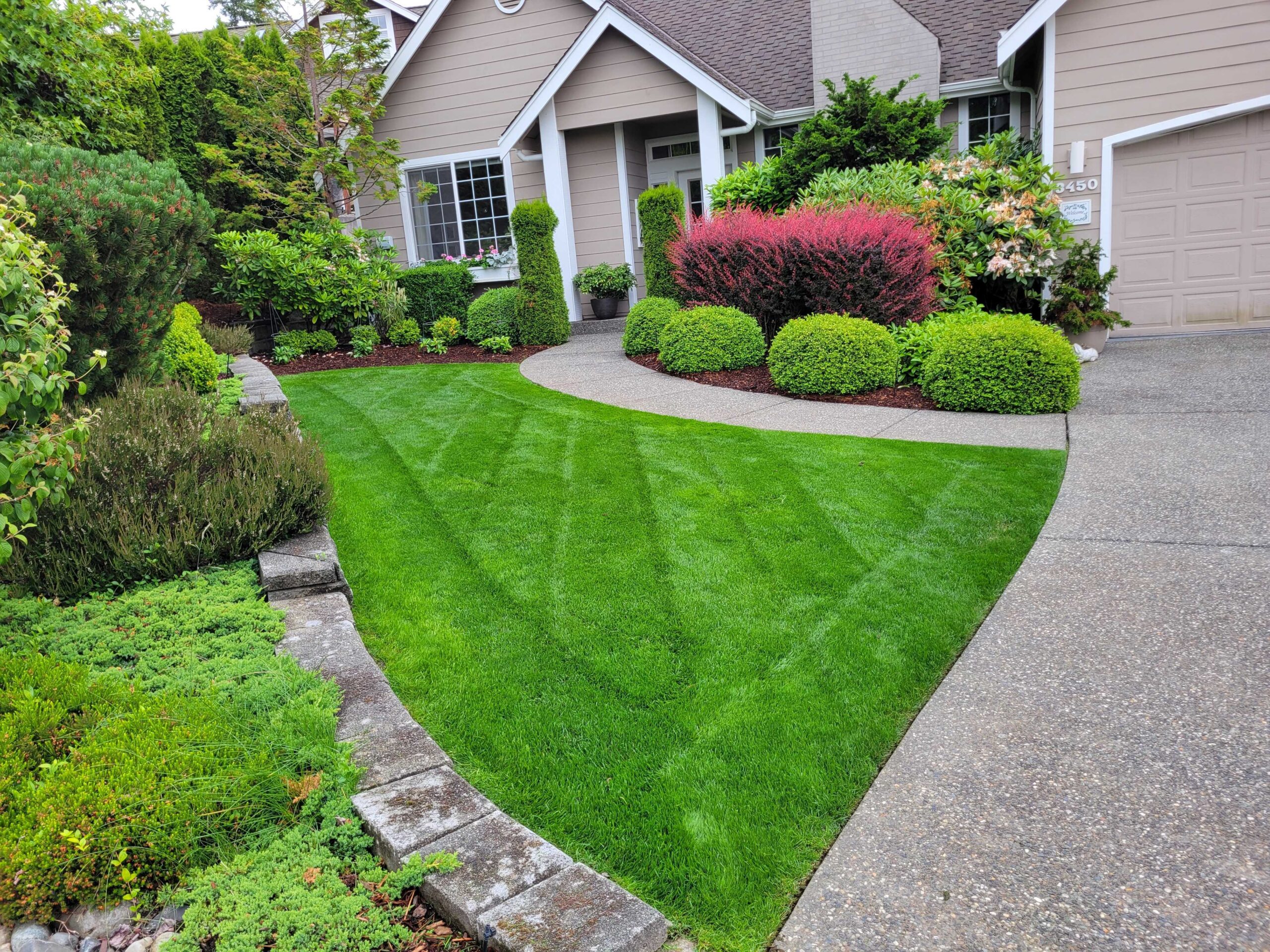
It doesn’t take long for weeds to make themselves at home. In the Pacific Northwest, our mild temperatures and steady rainfall create perfect growing conditions not only for plants you want, but also for the ones you don’t.
From creeping buttercup to dandelion, unwanted growth can quickly overrun your lawn or flower beds if left unchecked. The good news is that there are proven ways to stop weeds from taking over your lush lawn or garden.
Why Weeds Thrive in the Pacific Northwest
The same climate that keeps the PNW beautifully green also helps weeds flourish. Moist soil, limited frost, and nutrient-rich conditions give them a long growing season. Once they establish a foothold, they compete with your plants for sunlight, water, and nutrients, and they often win.
Preventing weeds in this environment starts with understanding how they spread: through wind-blown seeds, underground roots, and disturbed soil.
How to Stop Weeds in Garden Beds
Flower beds and garden borders are some of the most common places weeds show up. A few smart practices can make all the difference:
1. Apply a thick layer of mulch.
Two to three inches of organic mulch, bark, or compost helps block sunlight and suppress weed seeds before they sprout.
2. Use professional edging.
Defined borders keep grass and invasive plants from creeping into your beds. Clean, maintained edges also give your landscape a polished look.
3. Maintain healthy soil.
Weed problems often start with poor soil health. Balanced nutrition and regular fertilization create stronger plants that naturally crowd out weeds.
4. Hand-pull early and often.
Pulling weeds before they flower prevents them from producing more seeds. Try to get the full root to avoid regrowth.
How to Eliminate Weeds in Your Lawn
Weeds in your grass often mean the lawn is stressed or thin. Strengthening your turf is the best way to push them out naturally.
1. Keep your grass dense and healthy.
Thick, well-fed grass leaves little room for weeds to take hold. Regular fertilization, aeration, and proper mowing height all support strong root growth.
2. Mow at the right height.
Cutting grass too short weakens it and allows sunlight to reach weed seeds. Aim for about three inches during peak growing months.
3. Stay consistent with lawn health programs.
Seasonal feeding, weed control, and soil balancing treatments keep your lawn resilient year-round.
4. Consider professional weed control.
For widespread or deep-rooted weeds, targeted weed control can make a big impact. North County Landscape Co. offers options that include both traditional and low-chemical treatments, depending on your preference.
Artificial Turf: The Permanent Weed-Free Fix
For homeowners tired of battling weeds altogether, synthetic turf offers a long-term solution. With professional installation, a weed barrier is laid beneath the turf to block growth while maintaining natural drainage. The result is a clean, low-maintenance surface that looks lush without constant upkeep. It’s ideal for lawns, play areas, or even garden pathways where weeds typically thrive.
The Best Long-Term Weed Prevention Strategy
Weed control isn’t a one-time task; it’s ongoing care. A healthy, well-fed landscape naturally resists invasion. At North County Landscape Co., our lawn health programs combine premium, undiluted products with heavier lime applications for visible, lasting results. We also offer maintenance programs that include bed care, edging, and cleanup to keep your property looking polished all year.
When to Call a Professional
If weeds have spread beyond what you can manage on your own, it’s time to bring in help. When you need a rejuvenated lawn, fresh mulch installation, or synthetic turf for a permanent fix, our team has the experience and tools to restore your landscape’s beauty.
Get in touch with North County Landscape Co. to reclaim your yard, one weed-free season at a time.
FAQs
What is the best time to apply mulch for weed prevention?
Early spring is ideal, before weed seeds have a chance to germinate. Reapply in late summer or fall to refresh coverage and retain soil moisture.
How often should I weed my flower beds?
Check your beds weekly during peak growing months. Removing small weeds before they seed prevents larger infestations later.
Are there natural ways to reduce weeds without chemicals?
Yes. Mulch, hand-pulling, dense planting, and soil health management are all effective natural methods. For those who want a chemical-free program, North County Landscape Co. can design one and explain the pros and cons.
Can synthetic turf really stop weeds completely?
When installed correctly with a proper base and weed barrier, synthetic turf eliminates nearly all weed growth. You may see an occasional sprout along edges, but maintenance is minimal.
Why do weeds keep coming back even after spraying?
Weed sprays only target what’s visible. If the roots remain or soil conditions favor regrowth, they’ll return. Long-term control requires healthy soil, thick grass, and consistent maintenance.
Will weed barrier fabric reduce weeds?
Unfortunately, no. We’ve found that weeds tend to germinate on top of barrier fabric, rather than from underneath, and the fabric ends up making it harder to pull the weeds.
Share with your followers:
The Benefits of Landscape Bed Maintenance (and Why It’s More Than Weeding)
Most landscape companies in Western Washington offer landscape bed maintenance. Unfortunately, not all companies truly focus on this specific service’s details. The truth is flower bed maintenance is horticultural work. It requires knowing which plants are in the beds, when to feed them, when to cut them back, and when to leave them alone. It…
Spring Weeds in Whatcom County: Early Signs & Smart Treatments
Spring in Whatcom County brings longer days and a burst of green across every yard. Unfortunately, in our corner of the Pacific Northwest, weeds get a head start that most grass can’t match. However, catching weeds before they flower and spread seed is the single biggest thing you can do to keep them from taking…
How to Turn On Your Irrigation System After Winter
TL;DR: Wait until nighttime temperatures stay above freezing, then slowly turn on your irrigation system, test each zone for damage, and address any leaks or broken components before regular watering begins. When spring arrives in Western Washington, it’s time to wake your irrigation system from its winter sleep. But turning on an irrigation system after…
The Best Time for Overseeding in Washington State
If you’ve been watching your lawn limp through another Pacific Northwest winter, you already know the look: thin, patchy turf with a faded yellow-green pallor that no amount of warming weather seems to fix on its own. Overseeding is one of the most effective ways to bring a tired lawn back to life, but timing…
Should I Get a Sprinkler System? A Homeowner’s Guide to Irrigation
You water your lawn a few times a week, drag the hose around the yard, set a reminder on your phone so you don’t forget, and somehow, there are still dry patches by August. If that sounds familiar, you’ve probably wondered whether a sprinkler system (also called an irrigation system) is worth the investment. The…