
Blog Post
Do’s and Don’ts for Winter Yard Care in Western Washington
November 5, 2025
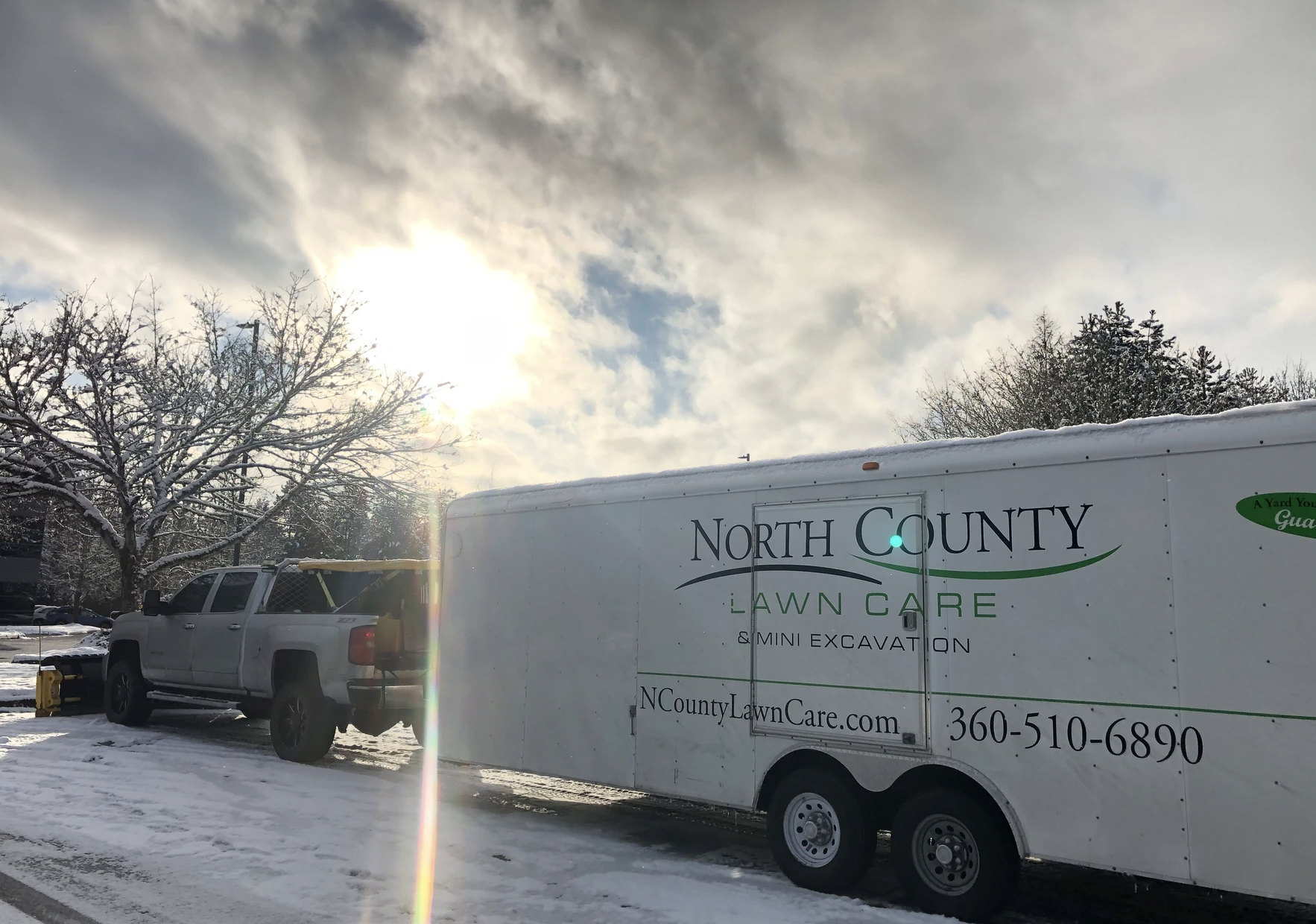
Winter in the Pacific Northwest brings its fair share of rain, frost, and gray skies. While it may seem like your landscape goes dormant, this season is actually one of the most important times to care for it. Proper winter maintenance sets the stage for healthy growth come spring and helps prevent costly damage caused by moisture, cold, and neglect.
In this guide, we’ve rounded up a list of do’s and don’ts for winter landscape care in Western Washington, based on years of experience caring for lawns and gardens across Whatcom County.
Do: Keep Leaves and Debris Cleared
Wet leaves left to pile up can smother your grass and invite mold or fungus, so it’s important to keep heavy mats from building up on the lawn. That said, a light layer of leaves tucked around garden beds or under shrubs can actually help the landscape. Many native pollinators and beneficial insects overwinter in that leaf litter, and it’s natural mulch!
North County tip: Rake excess leaves off the turf, but consider leaving a few undisturbed pockets in garden beds or wooded corners to support pollinator habitats while still protecting your lawn’s health and appearance.
Don’t: Let Standing Water Go Unchecked
Poor drainage is one of the most common issues we see in local yards. Puddles or saturated soil can drown plants and compact the ground, which makes it harder for roots to breathe. If you notice pooling, it may be time to consider a drainage solution such as a French drain or grading adjustment.
North County tip: Addressing drainage in winter allows you to see the problem areas at their worst, so they can be properly repaired before spring growth.
Do: Prune Dormant Trees and Shrubs
Late winter is the best time to prune most deciduous trees and shrubs. With foliage gone, it’s easier to see a plant’s structure and remove damaged or crossing branches. Proper pruning promotes healthier spring growth and reduces the risk of storm damage from heavy snow or wind.
North County tip: Skip this step for spring-blooming shrubs like rhododendrons or lilacs. Prune those after they flower to avoid cutting off buds.
Don’t: Walk on Frozen or Waterlogged Lawns
It’s tempting to take a shortcut across your yard, but walking on frozen or soggy grass can crush blades and compact the soil. That stress often leads to brown patches or thinning once the weather warms up.
North County tip: If you need to access certain areas regularly, consider a flagstone or paver path to protect the turf.
Do: Protect Tender Plants From Frost
Even though our winters are mild compared to other regions, sudden cold snaps can still damage delicate plants. Cover young or frost-sensitive shrubs with breathable fabric or burlap when temperatures drop. Avoid using plastic, which traps moisture and can cause more harm than good.
North County tip: Container plants are especially vulnerable. Move them to sheltered areas if possible.
Don’t: Overwater or Fertilize During Dormancy
Most lawns and plants need very little water in winter. Natural rainfall usually provides enough moisture, and overwatering can contribute to rot and fungal growth. The same goes for fertilizer: nutrients applied now can wash away before they’re absorbed.
North County tip: Plan ahead for a spring lawn health program that includes lime, fertilization, and weed control. Timing these treatments correctly is key to seeing results.
Do: Inspect and Winterize Your Irrigation System
Before freezing temperatures set in, make sure your irrigation system is properly shut down. Water left in lines can freeze and crack fittings, leading to leaks later. Winterization typically involves blowing out the system and insulating any exposed components.
North County tip: If you’re not sure how to do this, it’s worth calling a professional. Repairs cost more than prevention.
Don’t: Forget About Curb Appeal
While plants may rest in winter, your property still makes an impression. Fresh mulch, trimmed edges, and clean walkways can go a long way in keeping things looking cared for year-round. Winter is also a great time to plan new landscape projects for the coming season.
North County tip: When skies stay gray, color comes from contrast. Add dark bark mulch or evergreen accents to keep your yard lively while everything else takes a nap.
Do: Call in the Pros When You Need Support
Caring for your landscape through winter doesn’t have to be a solo effort. A maintenance team can help with pruning, cleanups, drainage repair, and lawn rejuvenation to keep your property in top shape while you stay warm indoors.
North County tip: Winter’s slower pace is the best time to get ahead. Booking now means you’ll skip the spring waitlist and step right into a ready-to-grow yard.
Ready to Simplify Your Winter Landscape Care?
At North County Landscape Co., we provide year-round care rooted in Pacific Northwest experience. From soil health to winter protection, our programs are built on high-quality products and proven results.
Request a free estimate for seasonal maintenance or ask about our lawn rejuvenation services today.
FAQs
When should I stop mowing my lawn in Western Washington?
Once temperatures consistently drop below 50°F, grass growth slows, and mowing can pause until spring. For most Whatcom County yards, that’s late October or early November. Mow slightly shorter on your final cut of the season to help prevent matting, but don’t scalp the lawn.
Do I need to water my lawn during winter?
In most parts of Washington, natural rainfall is enough to keep lawns hydrated through the winter months. Avoid supplemental watering unless there’s an extended dry spell. If you notice puddling or soggy spots, that’s a sign to look at your drainage rather than add more water.
Is it okay to fertilize or lime my lawn in winter?
Hold off on fertilizing until spring, when soil temperatures are warm enough for active growth. However, lime applications can be beneficial in late fall or early winter to balance soil pH, a key step in keeping Northwest lawns healthy. North County’s lawn rejuvenation services include this heavier lime treatment for long-term results.
Why shouldn’t I walk on frozen or saturated grass?
Frozen blades and waterlogged soil are fragile. Walking or driving on the lawn can crush grass and compact the soil, leading to thin or patchy spots in spring. Use paths or stepping stones to access areas you need without damaging turf.
When should I call a professional for winter landscape care?
If you’re seeing persistent standing water, heavy moss, or struggling shrubs, it’s time to bring in help. A professional landscape team can diagnose drainage issues, prune safely, and prepare your lawn for spring growth. North County Landscape Co. provides full-service landscape maintenance across Whatcom County.
Share with your followers:
Should I Get a Sprinkler System? A Homeowner’s Guide to Irrigation
You water your lawn a few times a week, drag the hose around the yard, set a reminder on your phone so you don’t forget, and somehow, there are still dry patches by August. If that sounds familiar, you’ve probably wondered whether a sprinkler system (also called an irrigation system) is worth the investment. The…
Spring Flower Bed Maintenance: A Western Washington Guide
Summary: Spring flower bed maintenance in Western Washington means tackling weeds early, refreshing mulch, cutting back winter-damaged plants, and preparing soil before our growing season hits full stride, while staying ahead of slugs. Spring arrives in Western Washington with a mix of promise and urgency. The first warm days reveal what winter left behind: beds…
The 16 Best Whatcom County Native Plants to Add to Your Landscaping This Spring
Spring in Whatcom County means it’s time to think about your garden or landscape. If you want plants that actually thrive here without constant babysitting, native species belong at the top of your list. Plants native to the Pacific Northwest have spent thousands of years adapting to our wet winters, dry summers, and the occasional…
What to Look for in Spring Cleanup Services
The first warm days of spring in the Pacific Northwest can feel like a long-awaited exhale. Snow recedes, mossy layers thin out, and buried beneath months of fallen leaves and debris, your lawn starts sending up new growth. That’s the signal: it’s time for a spring cleanup. But who you hire for the job matters…
Mulch vs Bark: What’s the Best Ground Cover for Whatcom County Gardens?
For Whatcom County gardens, processed mulches (medium fir and black composted) outperform bark and cedar chips in moisture retention, weed control, and soil health by working with our wet winters and dry summers instead of against them. Walk through any garden center in Whatcom County, and you’ll face rows of bags labeled mulch, bark, and…