
Blog Post
How Smart Irrigation Saves Water in the Pacific Northwest
December 12, 2025
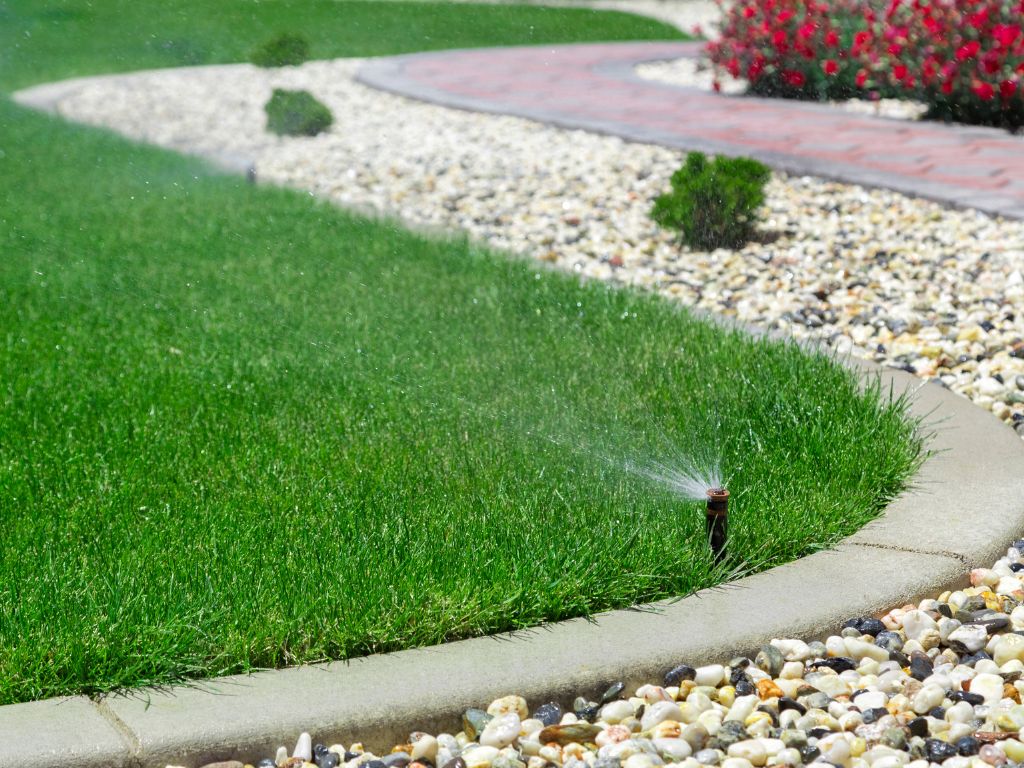
Landscapes in the Pacific Northwest face an odd challenge: months of rain followed by weeks of dry weather. Lawns and planting beds can swing between soaked and thirsty, and traditional irrigation systems rarely keep up. Smart irrigation smooths out those extremes by giving your landscape only the water it needs, when it needs it.
For homeowners across Whatcom County, this approach supports healthier lawns, stronger plants, and lower water use throughout the season.
The Pacific Northwest’s Water Puzzle
Rain shapes nearly everything about our region’s landscapes. Winters saturate the soil. Springs tease us with unpredictable showers. Summers, however, often bring long dry spells that stress lawns and gardens.
These patterns create three common problems:
- Lawns that dry out faster than expected in July and August
- Overwatering in the shoulder seasons
- Shallow root systems from inconsistent moisture
Smart irrigation solves these issues by tracking the conditions that matter most: rainfall, soil moisture, and temperature shifts.
What Makes Irrigation “Smart”?
Smart irrigation uses weather data, sensors, and plant-based scheduling to fine-tune water use. Instead of running at the same time every day, it responds to your landscape’s natural rhythm.
Weather-Based Adjustments
If rain is in the forecast, the system pauses. If temperatures rise, it responds with shorter cycles to prevent stress without wasting water.
Soil Moisture Insight
Many Pacific Northwest soils include clay pockets that hold water longer than sandy patches. Smart irrigation detects saturation and prevents unnecessary watering, which keeps lawns healthier and helps avoid fungal issues.
Cycle-and-Soak Watering
Smart controllers break watering into shorter intervals that let the soil absorb moisture before runoff occurs. This is especially helpful on sloped yards and compacted areas common throughout Whatcom County.
Plant-Driven Scheduling
Lawns, shrubs, and garden beds all drink differently. Smart irrigation groups zones by need rather than watering everything the same way.
How Smart Irrigation Reduces Water Waste
Stopping Unnecessary Cycles
Traditional timers often run when the soil is already full or when rain is moving in. Smart irrigation cuts those wasteful moments and protects your utility bill.
Improving Root Development
Consistent moisture leads to deeper, more resilient roots. This pays off during our dry summers when shallow-rooted lawns tend to brown out.
Limiting Runoff
Runoff is more than wasted water. It also washes away nutrients you invested in through fertilization and soil building. Smart irrigation helps keep that value in your lawn instead of your driveway.
Supporting Long-term Landscape Health
Water efficiency connects directly to soil nutrition, resilience, and color. With healthier turf and plants, you need fewer interventions later.
Why Smart Irrigation Works So Well in the PNW
Our region is ideal for smart irrigation because conditions change fast. Sunny mornings can turn into surprise showers. A cool June can shift into a hot July without warning. Smart systems react in real time, something homeowners simply cannot manage manually.
A few local advantages include:
- Better control of summer drought stress
- Improved performance for planting installations
- More predictable results for sod or lawn rejuvenation
- Reduced strain on wells and municipal systems
- Lower monthly water use during peak season
Homeowners often notice healthier color, thicker turf, and fewer dry patches within the first season.
Smart Irrigation and Lawn Health Programs
Smart irrigation works hand-in-hand with lawn health programs. Consistent watering helps the soil absorb nutrients more effectively, supports strong growth after aeration, and protects new sod during the rooting phase. When paired with high-quality fertilizers and soil amendments, the results often become visible faster.
When a Smart Irrigation Upgrade Makes Sense
Your irrigation system sets the tone for the rest of your outdoor space. If it’s not working well, everything else—your lawn, plantings, soil nutrition, and drainage—works harder than it should.
Smart irrigation brings everything into balance. Better water control leads to better results, longer lifespan for plantings, and a landscape that stands out in every season.
You may be ready for an upgrade if you:
- Want lower water bills during summer
- Have dry patches that never seem to bounce back
- Notice runoff or pooling after watering
- Have zones that behave differently based on sun or soil type
- Want a more sustainable landscape
- Are planning new planting installations or lawn rejuvenation
Many homeowners also choose to upgrade because older controllers become unreliable, especially after power outages or mechanical wear.
Why Homeowners Choose North County Landscape Co.
Smart irrigation is powerful, but it’s even better when installed and maintained by a team that understands Pacific Northwest conditions. North County Landscape Co. brings decades of regional experience to every project. We evaluate your soil, your plant mix, your exposure zones, and your long-term goals, then recommend the setup that fits your property’s rhythm.
Clients count on us for:
- Responsive communication
- Knowledgeable recommendations
- Clear expectations
- High-quality installation and maintenance
- A five-star experience from first call to final walkthrough
A well-tuned irrigation system should make your life easier. We handle the technical details so your landscape stays healthy without unnecessary water use.
If you’re ready to explore smart irrigation, we’re here to help. Get your estimate today.
Share with your followers:
Spring Flower Bed Maintenance: A Western Washington Guide
Summary: Spring flower bed maintenance in Western Washington means tackling weeds early, refreshing mulch, cutting back winter-damaged plants, and preparing soil before our growing season hits full stride, while staying ahead of slugs. Spring arrives in Western Washington with a mix of promise and urgency. The first warm days reveal what winter left behind: beds…
The 16 Best Whatcom County Native Plants to Add to Your Landscaping This Spring
Spring in Whatcom County means it’s time to think about your garden or landscape. If you want plants that actually thrive here without constant babysitting, native species belong at the top of your list. Plants native to the Pacific Northwest have spent thousands of years adapting to our wet winters, dry summers, and the occasional…
What to Look for in Spring Cleanup Services
The first warm days of spring in the Pacific Northwest can feel like a long-awaited exhale. Snow recedes, mossy layers thin out, and buried beneath months of fallen leaves and debris, your lawn starts sending up new growth. That’s the signal: it’s time for a spring cleanup. But who you hire for the job matters…
Mulch vs Bark: What’s the Best Ground Cover for Whatcom County Gardens?
For Whatcom County gardens, processed mulches (medium fir and black composted) outperform bark and cedar chips in moisture retention, weed control, and soil health by working with our wet winters and dry summers instead of against them. Walk through any garden center in Whatcom County, and you’ll face rows of bags labeled mulch, bark, and…
How to Fix Drainage Problems in Whatcom County
Living in Whatcom County means rain is part of the deal. What many homeowners don’t expect is how often that rain turns into persistent landscape and property problems—standing water, struggling lawns, moss takeover, and even moisture near foundations. Across Bellingham, Ferndale, and surrounding communities, drainage issues are becoming more common. And while homeowners often say,…