
Blog Post
Should I Get a Sprinkler System? A Homeowner’s Guide to Irrigation
March 9, 2026
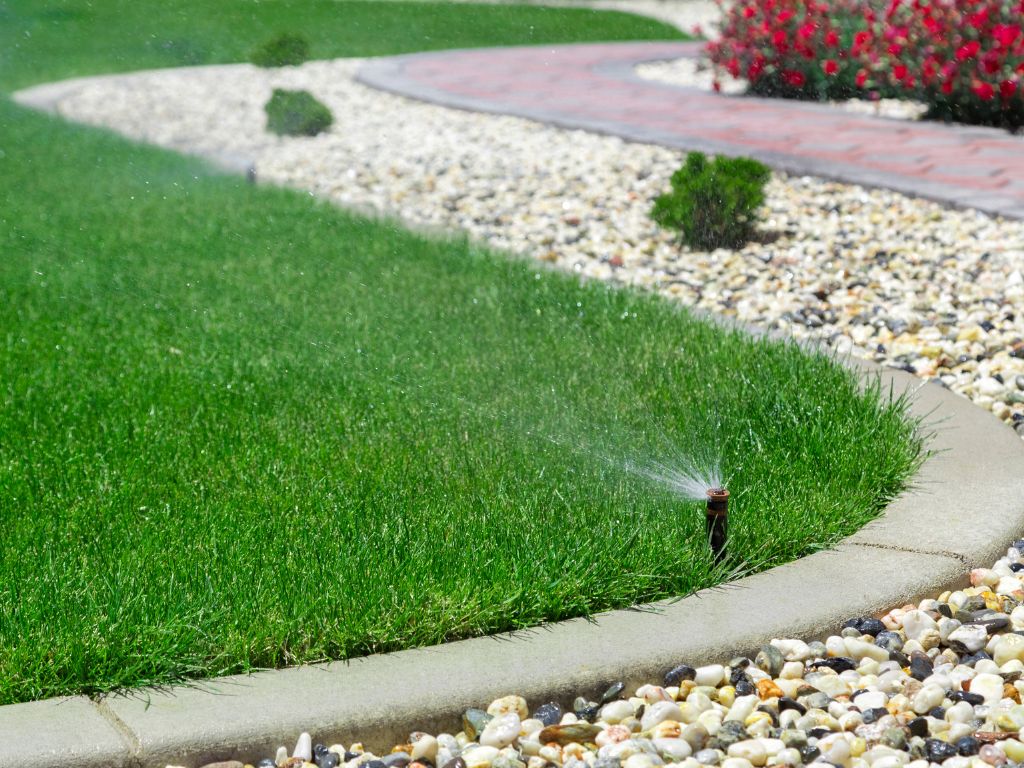
You water your lawn a few times a week, drag the hose around the yard, set a reminder on your phone so you don’t forget, and somehow, there are still dry patches by August. If that sounds familiar, you’ve probably wondered whether a sprinkler system (also called an irrigation system) is worth the investment.
The short answer: for most homeowners in Whatcom County and across the Pacific Northwest, yes. But the full answer depends on your yard, your habits, and what you want out of your lawn. Here’s what to consider before making the call.
What Is an Irrigation System, and How Does It Work?
An in-ground irrigation system delivers water directly to your lawn and landscaping through a network of underground pipes, valves, and sprinkler heads. A controller (either a wall-mounted timer or a smart device) manages when and how long each zone runs.
Most residential systems are divided into zones, with each zone covering a specific area of the yard. Lawn areas, planting beds, and sloped sections typically run on separate zones because they have different water needs. A well-designed system accounts for all of this from the start.
Signs You Might Need One
Not every yard needs an irrigation system, but several situations tend to make a strong case for one.
Your Lawn Struggles Every Summer
Western Washington gets a generous amount of rainfall from fall through spring, but summers here can be surprisingly dry. Ferndale, Bellingham, Blaine, and the surrounding Whatcom County area regularly go weeks without significant rain between June and September.
Brown patches, thinning turf, and dormancy are common. A properly timed irrigation system keeps moisture levels consistent through the dry season without overwatering, which creates its own set of problems.
You’re Installing New Landscaping
Newly installed plants, sod, and lawn seeding all have higher water demands while they’re getting established. Hand watering is hard to keep consistent, and inconsistency during that establishment window can cost you the plants themselves.
If you’re investing in a new landscape, adding irrigation at the same time is almost always the smarter financial decision. The cost of installation is lower when it’s done alongside other excavation work, and your plants will have a better chance of thriving.
Your Water Bill Is Already High
Counterintuitive as it sounds, a properly programmed irrigation system typically uses less water than hand watering. When you water by hand or with a hose-end sprinkler, it’s nearly impossible to apply water evenly or at the right rate.
Irrigation systems can be calibrated to deliver exactly what each zone needs, and smart controllers can adjust automatically based on weather data, which prevents you from running the system the day after a rainstorm.
You Don’t Have Time to Water Consistently
Consistency matters more than volume when it comes to lawn health. Sporadic deep waterings followed by dry stretches put stress on grass roots and make your lawn more vulnerable to weeds and disease. If your schedule doesn’t allow for reliable watering, automation is an easy fix.
What About the Pacific Northwest Climate?
Irrigation in the Pacific Northwest comes with a few regional considerations that don’t apply everywhere.
The wet-dry split in our climate means a system that runs on the same schedule year-round is going to cause problems. In spring and fall, you may need very little supplemental water. In July and August, daily watering may not be enough for newly seeded areas. A smart controller that accounts for local weather conditions and evapotranspiration rates (the amount of water your lawn loses to heat and wind) is worth the added investment.
Clay soils are also common throughout Whatcom County. Clay holds water longer than sandy or loamy soils, which means you need to think about application rate and run time carefully to avoid runoff and pooling. An irrigation professional familiar with local soil conditions can design your system with this in mind.
Finally, irrigation systems here need to be properly winterized before the first hard freeze. Water left in the lines can freeze and crack pipes and heads. Annual blow-outs, where compressed air is used to clear the lines, are a standard part of owning a system in this climate.
Sprinkler vs. Drip Irrigation: Which Do You Need?
There are two main types of irrigation, and many properties benefit from both.
Sprinkler Systems
Rotary and fixed spray heads work well for lawn areas. They distribute water broadly and evenly across open turf zones. These are what most people picture when they think of an irrigation system.
Drip Irrigation
Drip systems deliver water slowly and directly to the root zone of individual plants. They’re commonly used in planting beds, along hedgerows, and around trees and shrubs. Because water goes exactly where it’s needed, drip irrigation tends to reduce weed pressure in beds and minimizes water waste.
A well-designed system typically combines both: sprinkler heads for lawn zones, drip for beds. This gives you the coverage you need without overwatering areas that don’t need it.
What Does Irrigation Installation Cost?
Installation costs vary based on yard size, soil conditions, the number of zones, and the type of controller. As a general range, most residential installations fall somewhere between $6,000 and $12,000, or more for larger or more complex properties. That may feel like a significant upfront number, but it’s worth putting in context.
The labor savings alone add up quickly: no more dragging hoses, no more adjusting timers, no more worrying about watering while you’re on vacation. And if you’re protecting a landscape investment, consistent watering pays for itself in plant survival and lawn quality.
Note: any savings depend on a system that’s properly designed and installed. Irrigation installed with the wrong head spacing, incorrect pressure, or poor zone layout will waste water and underperform. Getting it right the first time matters.
Can You Add Irrigation to an Existing Yard?
Yes. Retrofitting an irrigation system into an established lawn or landscape is common, though it does involve some trenching and temporary disruption to the yard. A good installation crew will work carefully to minimize damage to existing plantings and restore the lawn surface after the work is done.
If you’re also planning other work like a patio, retaining wall, or replanting, it often makes sense to bundle irrigation in at the same time. Running new lines while the ground is already disturbed is far more cost-effective than coming back later.
If you already have an irrigation system that needs upgrading, sometimes it’s more economical to start from scratch due to how much time it would take to sort out an old system. We’re happy to walk you through your options.
Irrigation Repair and Maintenance
An installed system requires some ongoing attention. Beyond seasonal winterization and spring startup, heads can get damaged by mowers, valves wear out over time, and controllers occasionally need reprogramming as your landscape changes.
Having a relationship with a landscape company that handles both installation and service means you’re not left searching for someone unfamiliar with your system when something needs attention. North County Landscape Co. handles irrigation installation, repair, and seasonal service throughout Ferndale, Bellingham, Blaine, Lynden, and the broader Whatcom County area.
Is a Sprinkler System Right for You?
If you have a lawn you care about or simply don’t have the time to water consistently through the summer, an irrigation system is a practical upgrade. It removes one of the most tedious parts of lawn care from your plate and gives your yard what it needs to stay healthy through the dry months.
Not sure whether your property is a good candidate? The team at North County Landscape Co. offers free estimates and can walk you through what an irrigation system would look like for your specific yard, including soil type, slope, existing plantings, and your goals for the space. Give us a call or request a free quote to get started.
Share with your followers:
Spring Flower Bed Maintenance: A Western Washington Guide
Summary: Spring flower bed maintenance in Western Washington means tackling weeds early, refreshing mulch, cutting back winter-damaged plants, and preparing soil before our growing season hits full stride, while staying ahead of slugs. Spring arrives in Western Washington with a mix of promise and urgency. The first warm days reveal what winter left behind: beds…
The 16 Best Whatcom County Native Plants to Add to Your Landscaping This Spring
Spring in Whatcom County means it’s time to think about your garden or landscape. If you want plants that actually thrive here without constant babysitting, native species belong at the top of your list. Plants native to the Pacific Northwest have spent thousands of years adapting to our wet winters, dry summers, and the occasional…
What to Look for in Spring Cleanup Services
The first warm days of spring in the Pacific Northwest can feel like a long-awaited exhale. Snow recedes, mossy layers thin out, and buried beneath months of fallen leaves and debris, your lawn starts sending up new growth. That’s the signal: it’s time for a spring cleanup. But who you hire for the job matters…
Mulch vs Bark: What’s the Best Ground Cover for Whatcom County Gardens?
For Whatcom County gardens, processed mulches (medium fir and black composted) outperform bark and cedar chips in moisture retention, weed control, and soil health by working with our wet winters and dry summers instead of against them. Walk through any garden center in Whatcom County, and you’ll face rows of bags labeled mulch, bark, and…
How to Fix Drainage Problems in Whatcom County
Living in Whatcom County means rain is part of the deal. What many homeowners don’t expect is how often that rain turns into persistent landscape and property problems—standing water, struggling lawns, moss takeover, and even moisture near foundations. Across Bellingham, Ferndale, and surrounding communities, drainage issues are becoming more common. And while homeowners often say,…