
Blog Post
Lawn Service Pricing: DIY (Do It Yourself) vs. Professional Services
November 13, 2024
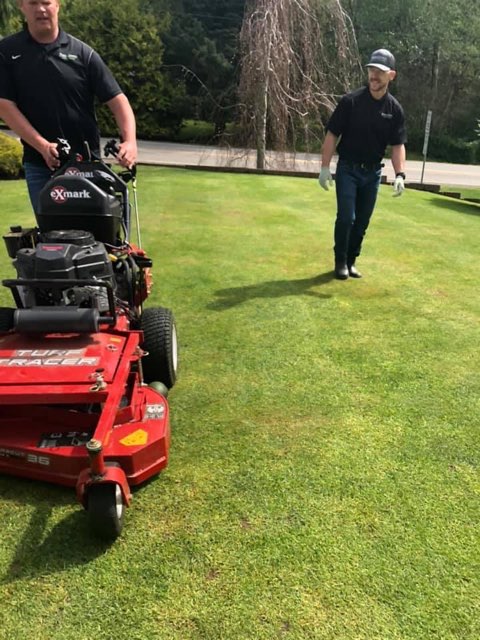
Some people enjoy taking care of the lawn on their property, but others have a busy schedule that makes proper lawn care challenging. Lawn service pricing can vary depending on location, the company doing the work, and what services are included, but you might be surprised at how affordable it can be to hire a professional!
Basic Lawn Care Costs for DIY
If you’re thinking about lawn service pricing and believe that DIY might be the way to go, it’s important to consider what is involved. When you plan to take care of your lawn to keep it looking lush and green, there are several costs you might not realize are required to care for it.
Property owners wishing to care for their lawns independently will need to invest in lawn care equipment, equipment maintenance, fertilizer, grass for overseeding, weed control chemicals if desired, and time to complete the tasks. When thinking about lawn care prices, consider that a lawn mower alone can cost anywhere from $100 to $5,000 depending on your property’s needs—such as if you need a push mower or riding mower.
Although maintenance costs may not be as high with DIY lawn care, it’s important to factor into the investment you’re making into your lawn. This is especially true if you have mobility limitations or a large property that you must mow and treat.
Equipment
Common types of equipment you’ll need include a lawn mower (sized appropriately to manage the size property you own), lawn aerator, string trimmer, rake, and potentially a leaf blower depending on your needs. Push mowers can be heavy to operate, especially if your yard includes hills, and while self-propelled options are available, they are more costly.
Hedge shears and garden shears are must-have tools if you’re taking care of other landscaping needs as well. You also need a place to store your lawn maintenance tools and equipment, like a garage or shed. While many people don’t factor this into the average cost of lawn care, it can make a difference for those trying to be mindful of up-front pricing.
Maintenance
When considering how much lawn care services cost, it’s important to remember that lawn care equipment requires regular maintenance. This includes filling and changing the oil in gas lawnmowers and edgers, changing the blades on your equipment, and regularly cleaning every piece.
Even if using electric-powered machines, you will need to consistently charge the batteries. There are companies specializing in small machine maintenance and repair, but their services will also require a fee if you aren’t able to perform repairs yourself.
Additives and Time
Additionally, you will need to purchase the right fertilizer and weed control chemicals (if desired) to keep your lawn looking green and full. While you can follow instructions on the packaging, it won’t guarantee the application is being correctly applied (or even what you need) for your particular lawn.
In some cases, overseeding is necessary. Property owners should be cognizant of the time that it takes to complete these tasks, which can be weather-dependent, as well as any nuances relating to the chemical composition of their soil.
What You Get with Professional Lawn Care
When you hire a company to take care of your lawn maintenance, you can expect lawn service pricing to include everything needed to keep your lawn looking lush and healthy. A lawn maintenance company will roll their overhead costs into a total price, which includes things that help keep the business running plus the actual mowing equipment and maintenance to fertilizer and weed control costs.
With a team of experts, lawn care can be conducted efficiently and when the weather cooperates, which unfortunately for homeowners doesn’t always coincide with time outside of normal working hours.
North County Landscape takes service to the next level. With weekly lawn mowing from March through November, homeowners will get edging, line trimming, and blowing away grass clippings for a clean look. We also take care of clippings disposal to keep your lawn healthy.
Before we get started, we also assess your lawn to determine its particular needs concerning fertilizer, aeration, and whether your lawn could benefit from the control of common lawn insects, like grubs. We’ll recommend a lawn healthcare program that best fits your lawn’s condition and your budget.
The national average for monthly lawn care ranges from $100 to $500, depending on the size of your lawn. Other sources put that range much broader, from $25 to $2,400. Realistically, it’s best to look locally to learn what you get for your investment.
Comparing DIY vs. Professional Lawn Care
When you have access to lawn maintenance expertise with personal, friendly, and communicative service, you’ll probably find that lawn service pricing outweighs any potential cost savings.
- Time and effort: Not everyone has the time and capabilities to take care of their lawn’s needs. Determine if you have enough time to do so every week and the physical capabilities to handle it.
- Results and expertise: Consider what you want your lawn to look like. Do you envision clean lines, lush green blades of grass, and a yard mowed at a proper height? All of that takes knowledge and experience to determine your lawn’s exact needs. Knowing your expectations and your capabilities will point you in the right direction.
- Cost efficiency: The real and personal cost of maintaining your property by yourself may be more trouble than it’s worth. Professionals take care of your lawn for you, at a more cost-effective rate. Paying for a pro to handle your landscaping and lawn care is a worthwhile investment for many people.
Is Professional Lawn Care Right for You?
Professional lawn care might be a great option for you if you don’t have the space, time, or resources to maintain your lawn on your own. Typically, you can find lawn service pricing that fits your budget and provides you with exactly what you need. For many, the convenience is worth the cost of service alone.
Share with your followers:
Spring Flower Bed Maintenance: A Western Washington Guide
Summary: Spring flower bed maintenance in Western Washington means tackling weeds early, refreshing mulch, cutting back winter-damaged plants, and preparing soil before our growing season hits full stride, while staying ahead of slugs. Spring arrives in Western Washington with a mix of promise and urgency. The first warm days reveal what winter left behind: beds…
The 16 Best Whatcom County Native Plants to Add to Your Landscaping This Spring
Spring in Whatcom County means it’s time to think about your garden or landscape. If you want plants that actually thrive here without constant babysitting, native species belong at the top of your list. Plants native to the Pacific Northwest have spent thousands of years adapting to our wet winters, dry summers, and the occasional…
What to Look for in Spring Cleanup Services
The first warm days of spring in the Pacific Northwest can feel like a long-awaited exhale. Snow recedes, mossy layers thin out, and buried beneath months of fallen leaves and debris, your lawn starts sending up new growth. That’s the signal: it’s time for a spring cleanup. But who you hire for the job matters…
Mulch vs Bark: What’s the Best Ground Cover for Whatcom County Gardens?
For Whatcom County gardens, processed mulches (medium fir and black composted) outperform bark and cedar chips in moisture retention, weed control, and soil health by working with our wet winters and dry summers instead of against them. Walk through any garden center in Whatcom County, and you’ll face rows of bags labeled mulch, bark, and…
How to Fix Drainage Problems in Whatcom County
Living in Whatcom County means rain is part of the deal. What many homeowners don’t expect is how often that rain turns into persistent landscape and property problems—standing water, struggling lawns, moss takeover, and even moisture near foundations. Across Bellingham, Ferndale, and surrounding communities, drainage issues are becoming more common. And while homeowners often say,…