
Blog Post
Signs Your Irrigation System Needs Repair (Before It Costs You More)
December 16, 2025
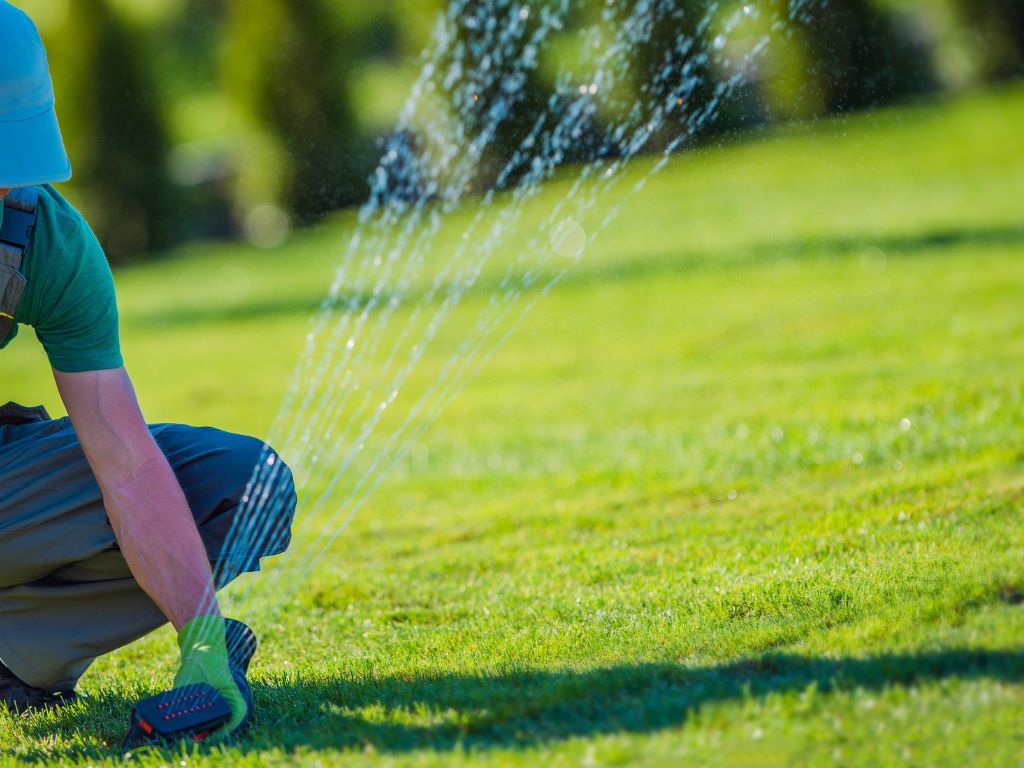
Many homeowners don’t realize something is wrong with their irrigation system until the damage is visible. Lawns fade unevenly, plants struggle in one corner of the yard, or puddles appear after a regular watering cycle. These issues often seem minor, or they get blamed on weather, soil, or even “just the way the yard grows.”
In reality, many of these early symptoms point to irrigation problems that can be caught long before they turn into costly repairs.
This guide helps you recognize those early signs so your landscape can stay healthy through our shifting Pacific Northwest seasons.
Common Problems Homeowners Notice First
Before irrigation issues become obvious, they usually show up as small inconsistencies in the yard. Many people see these changes but don’t realize what’s causing them.
You might notice:
- Patches that dry faster than others
- Greener growth near some zones, weaker growth in others
- Areas that stay soggy longer than they should
- Plants that wilt even when you water regularly
- Moss forming in places that should drain well
These are the early clues most homeowners overlook.
Why Irrigation Problems Are So Easy to Miss
Irrigation systems run quietly and mostly underground. When something begins to fail, it rarely announces itself. Instead, symptoms show up in the landscape over time.
A few reasons irrigation issues go unnoticed:
- Pipes can leak below the surface
- Broken or clogged heads still spray water, just not correctly
- Valves may stick partially open or partially closed
- Controllers may run outdated schedules that no longer match the weather
Because these changes are subtle, many homeowners assume the problem is natural variation in soil, shade, or rainfall.
Why PNW Weather Makes Irrigation Issues Harder to Spot
Pacific Northwest landscapes face a unique mix of wet winters and dry summers. That contrast masks irrigation issues because:
- Clay-heavy soils can hide leaks for days
- Rain can temporarily improve an uneven watering pattern
- Summer drought shows stress unevenly across the yard
- Coastal moisture can make soggy spots seem normal
All of this makes it harder to connect the dots between what you see in the yard and what’s happening in your irrigation system.
Irrigation Troubleshooting Self-Check
You may have irrigation problems if:
- One part of your lawn browns early each summer
- Puddles appear after short watering cycles
- Certain zones take far longer to dry out
- Your water bill rises even though your watering schedule hasn’t changed
- Your system runs during rain or shortly after rain
- Sprinkler heads look crooked, sunken, or stuck
- Plants near hardscapes look stressed compared to plants in open areas
If at least one of these feels familiar, you may have a repairable irrigation issue.
The Most Common Signs Your Irrigation System Needs Repair
1. Expanding Dry Spots
Dry patches are often caused by clogged nozzles, stuck heads, or valves that aren’t opening fully. The soil dries unevenly, and the lawn struggles to recover.
2. Puddling or Mushy Soil
Soggy areas point to leaks or overwatering. In our region’s clay pockets, this can create fungal problems or root rot.
3. Higher-Than-Usual Water Bills
A sudden increase usually indicates leaking pipes, zones that run longer than intended, or a controller malfunction.
4. Misaligned or Sunken Sprinkler Heads
When heads angle the wrong way or sit below grade, they water sidewalks and driveways rather than your landscape. These small errors waste water and weaken turf.
5. Weak, Sputtering, or Uneven Water Pressure
This often signals a partial clog, failing valve, or damaged line. Pressure problems always affect coverage and plant health.
6. Zones That Won’t Turn on or Won’t Shut Off
A zone that refuses to run may have wiring issues or a faulty solenoid. A zone that won’t stop running usually needs immediate repair.
7. Overspray Onto Hardscapes or Fences
Overspray causes runoff and wastes water. It also reduces the moisture available to the lawn and planting beds.
8. Strange Sounds From the System
Hissing, hammering, or sputtering can indicate air in the line, blockages, or broken pipes.
9. A Controller That Never Seems Accurate
If your controller runs at odd times or doesn’t match seasonal shifts, it may be outdated or malfunctioning.
Why Early Repairs Protect Your Landscape
Addressing issues early helps you:
- Avoid higher water bills
- Maintain even moisture for stronger roots
- Support healthier lawn growth going into summer
- Prevent fungal problems caused by oversaturation
- Extend the lifespan of your irrigation system
- Protect the investment you’ve made in your landscape
Your irrigation system sets the foundation for lawn health, planting success, and soil vitality. When it works correctly, everything else grows better.
Professional Irrigation System Repair for Whatcom County
North County Landscape Co. pairs irrigation repair with deep knowledge of local soil, weather, and plant behavior. We diagnose issues, explain what’s going on, and help you make the right decision for your property. Our team supports everything from minor repairs to full upgrades for homeowners who want consistent results and responsible water use.
If you’re noticing signs that something isn’t right, we’re here to help. Request an estimate today.
Share with your followers:
Spring Flower Bed Maintenance: A Western Washington Guide
Summary: Spring flower bed maintenance in Western Washington means tackling weeds early, refreshing mulch, cutting back winter-damaged plants, and preparing soil before our growing season hits full stride, while staying ahead of slugs. Spring arrives in Western Washington with a mix of promise and urgency. The first warm days reveal what winter left behind: beds…
The 16 Best Whatcom County Native Plants to Add to Your Landscaping This Spring
Spring in Whatcom County means it’s time to think about your garden or landscape. If you want plants that actually thrive here without constant babysitting, native species belong at the top of your list. Plants native to the Pacific Northwest have spent thousands of years adapting to our wet winters, dry summers, and the occasional…
What to Look for in Spring Cleanup Services
The first warm days of spring in the Pacific Northwest can feel like a long-awaited exhale. Snow recedes, mossy layers thin out, and buried beneath months of fallen leaves and debris, your lawn starts sending up new growth. That’s the signal: it’s time for a spring cleanup. But who you hire for the job matters…
Mulch vs Bark: What’s the Best Ground Cover for Whatcom County Gardens?
For Whatcom County gardens, processed mulches (medium fir and black composted) outperform bark and cedar chips in moisture retention, weed control, and soil health by working with our wet winters and dry summers instead of against them. Walk through any garden center in Whatcom County, and you’ll face rows of bags labeled mulch, bark, and…
How to Fix Drainage Problems in Whatcom County
Living in Whatcom County means rain is part of the deal. What many homeowners don’t expect is how often that rain turns into persistent landscape and property problems—standing water, struggling lawns, moss takeover, and even moisture near foundations. Across Bellingham, Ferndale, and surrounding communities, drainage issues are becoming more common. And while homeowners often say,…