
Blog Post
Hydroseeding vs Sod: Which Gives You the Better Lawn?
December 18, 2024
Updated December 2025
Creating a new lawn or rejuvenating an old one often comes down to two choices: hydroseeding or sod. Both methods can work, but they behave very differently in Pacific Northwest conditions. If you want a lawn that looks great without months of waiting or worrying about washouts, sod is usually the safer, more predictable route. Here’s how the two compare and what to consider before you choose.
What Hydroseeding and Sod Actually Are
Hydroseeding
Hydroseeding applies a slurry of grass seed, mulch, fertilizer, and water to bare soil. When the weather cooperates, this mix gives seed a head start by holding moisture and nutrients in place long enough for germination.
In the Pacific Northwest, though, heavy rainfall and slopes can interrupt that process. Fresh hydroseed can wash out or fail to germinate evenly, which often leads to patchy growth and repeat applications.
Sod
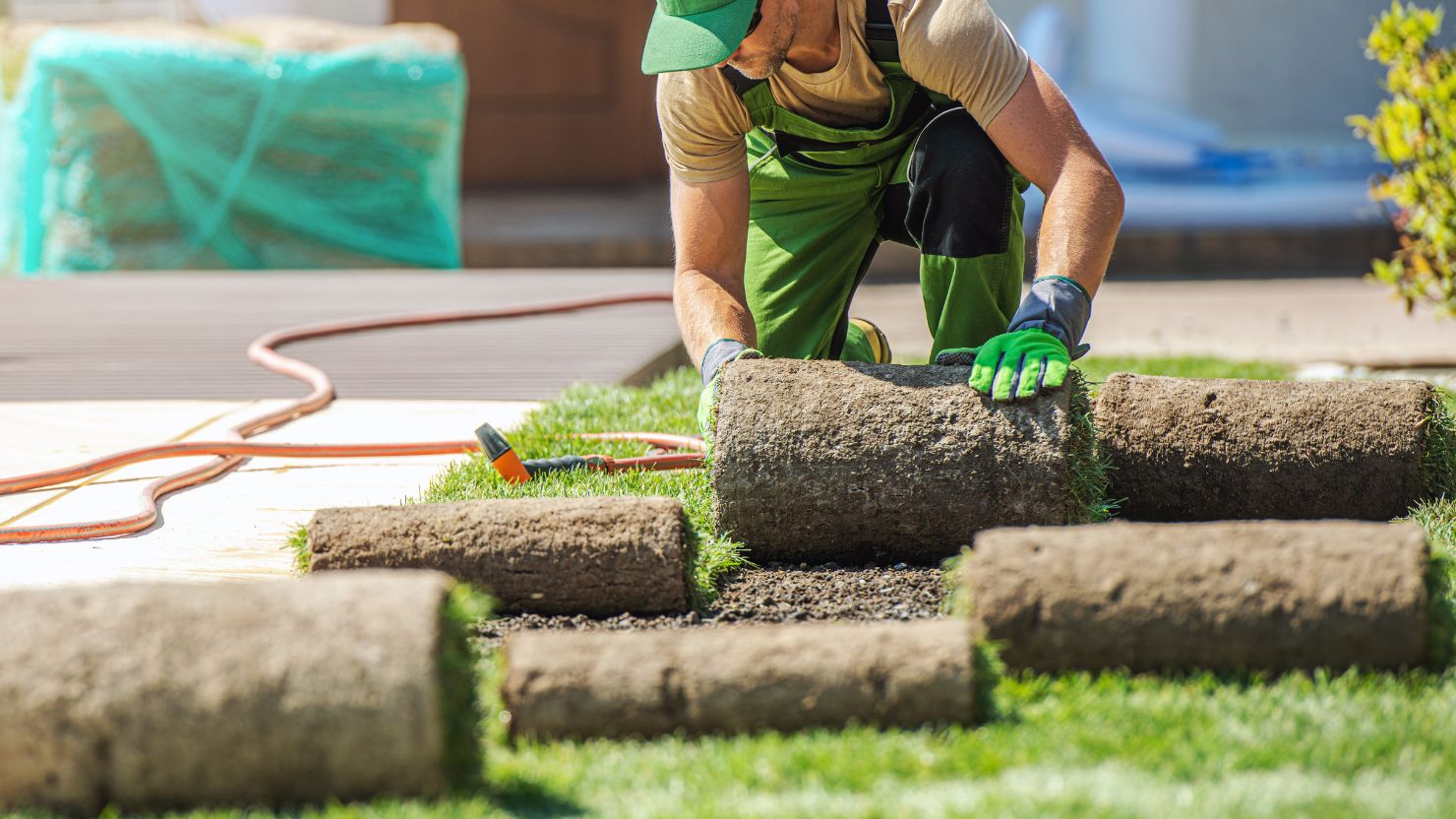
Sod is mature grass grown on a farm, then cut into rolls with a healthy root system attached. Once installed and watered, it begins bonding with your soil. You get an immediate lawn while the roots continue to settle in.
With sod, you’re starting with grass that’s already thriving, not waiting for seed to make it through the unpredictable PNW weather cycle.
Hydroseeding vs Sod: A Side-by-Side Comparison
| Decision Factor | Hydroseeding | Sod |
| Upfront cost | Lower | Higher |
| Time to a finished lawn | Weeks to months | Same day |
| Water needs | High during early establishment | Moderate |
| Risk of washouts (PNW rains) | High | Minimal |
| Performance on slopes | Often struggles | Strong |
| Growing consistency | Can be patchy | Uniform and full |
| Erosion control | Very limited | Excellent |
| Best installation window | Warm, dry weather | Any season except frozen ground |
Is Hydroseeding Better Than Sod?
For homeowners comparing hydroseeding vs. sod, the lower initial price of hydroseeding can be tempting. But many people are surprised by how quickly that cost advantage disappears. Hydroseeding often needs:
- Frequent watering
- Follow-up applications when germination is uneven
- Re-spraying after heavy rainfall
- Extra care on slopes or uneven soil
If a storm hits fresh hydroseed (which is common here), you may end up paying for the application twice. The time investment is also much greater because you’re waiting for the seed to sprout, fill in, and stabilize. Sod avoids that entire waiting period.
Why Sod Gives You a More Reliable Start
Instant Curb Appeal
Sod transforms bare soil into a green lawn in a single day. The roots still need time to knit into the soil, but the yard looks finished right away.
Better Water Efficiency
Because sod arrives with a mature root system, it doesn’t require as much water during establishment. Hydroseed, by contrast, demands strict watering schedules to prevent dry patches and failed germination.
Stronger Erosion Control
Erosion is a big concern in the Pacific Northwest. Sod gives you immediate stability, while hydroseed can wash away long before the seed matures.
Flexible Planting Calendar
Sod can be installed nearly year-round as long as the ground isn’t frozen. Hydroseeding relies on warm soil and predictable weather, which narrows your workable window.
For many homeowners who want a dependable result without months of uncertainty, sod is the clear winner.
Where Hydroseeding Still Makes Sense
Hydroseeding can be useful for large areas where budget is the top priority, or for properties where an instant lawn isn’t necessary. It also works as a starter step for certain rejuvenation projects when the goal is simply to introduce new seed into a prepared area.
But for homeowners who want a lawn that looks great from day one and holds up well in our rainy climate, sod offers more reliable value.
Other Ways to Establish a Healthy Lawn
Hydroseeding and sod aren’t the only options. Depending on your goals and the condition of your soil, you may also consider:
- Traditional overseeding
- Slice seeding
- Pollinator gardens or native plantings for low-mow areas
- Full lawn rejuvenation for soil-forward improvements
- Artificial turf for a totally no-maintenance option or in small spaces
Traditional seed can still produce a beautiful lawn with the right preparation, watering, and nutrition. It simply takes more time and consistent care.
Choosing the Right Method for Your Property
If you want immediate, predictable results, sod installation gives you the strongest return on your investment, especially when Whatcom County’s rainfall and slopes frequently undermine hydroseed.
If you’d like professional guidance on which approach suits your yard, North County Landscape Co. can help you weigh your options and grow a lawn you’ll love.
Ready to explore sod or a lawn rejuvenation plan? Contact our team for a consultation.
Share with your followers:
Spring Flower Bed Maintenance: A Western Washington Guide
Summary: Spring flower bed maintenance in Western Washington means tackling weeds early, refreshing mulch, cutting back winter-damaged plants, and preparing soil before our growing season hits full stride, while staying ahead of slugs. Spring arrives in Western Washington with a mix of promise and urgency. The first warm days reveal what winter left behind: beds…
The 16 Best Whatcom County Native Plants to Add to Your Landscaping This Spring
Spring in Whatcom County means it’s time to think about your garden or landscape. If you want plants that actually thrive here without constant babysitting, native species belong at the top of your list. Plants native to the Pacific Northwest have spent thousands of years adapting to our wet winters, dry summers, and the occasional…
What to Look for in Spring Cleanup Services
The first warm days of spring in the Pacific Northwest can feel like a long-awaited exhale. Snow recedes, mossy layers thin out, and buried beneath months of fallen leaves and debris, your lawn starts sending up new growth. That’s the signal: it’s time for a spring cleanup. But who you hire for the job matters…
Mulch vs Bark: What’s the Best Ground Cover for Whatcom County Gardens?
For Whatcom County gardens, processed mulches (medium fir and black composted) outperform bark and cedar chips in moisture retention, weed control, and soil health by working with our wet winters and dry summers instead of against them. Walk through any garden center in Whatcom County, and you’ll face rows of bags labeled mulch, bark, and…
How to Fix Drainage Problems in Whatcom County
Living in Whatcom County means rain is part of the deal. What many homeowners don’t expect is how often that rain turns into persistent landscape and property problems—standing water, struggling lawns, moss takeover, and even moisture near foundations. Across Bellingham, Ferndale, and surrounding communities, drainage issues are becoming more common. And while homeowners often say,…